Medical certifications have become a cornerstone of career advancement in healthcare. From nurses seeking specialty credentials to emergency medical technicians upgrading their skills, advanced medical certifications promise better pay, greater job security, and deeper clinical knowledge. But with hundreds of certification bodies operating online and offline, a critical question keeps surfacing in forums, Reddit threads, and LinkedIn discussions: is advanced medical certification legit?
This question is not paranoia. It is due diligence. The healthcare industry is one of the most regulated fields in the world, and the certifications that practitioners carry must meet strict standards to hold any real value. In this post, we break down everything you need to know — from what “legitimate” actually means in this context, to how employers verify credentials, to red flags that signal a fraudulent certification mill.
What Does “Legit” Mean When It Comes to Advanced Medical Certification?
Before diving into specific organizations, it helps to define what legitimacy actually means for a medical certification. The word “legit” can mean several different things depending on who is asking and why.
For a hiring manager at a hospital, a legit certification means the credential was issued by a body that is recognized by a national or international accreditation authority, that the curriculum meets evidence-based clinical standards, and that the certification holder can demonstrate tested, measurable competency. For a practitioner, it means the certification will be accepted by licensing boards, employers, and insurance credentialing committees. For a regulatory body, it means the program complies with standards set by organizations like the National Commission for Certifying Agencies (NCCA) or the American National Standards Institute (ANSI).
So when someone asks “is advanced medical certification legit?”, the answer depends heavily on which certification provider is being evaluated, how their programs are accredited, and who accepts those credentials in the real world.
Key legitimacy indicators include:
- Accreditation by a recognized national or international body (NCCA, ANSI, ISO)
- Curriculum developed or reviewed by licensed medical professionals
- Proctored or supervised examination processes
- Continuing education requirements to maintain the credential
- Public registry of certified individuals
- Transparent renewal and recertification policies
- Employer acceptance in clinical or healthcare settings
Is Advanced Medical Certification (AMC) Legit as an Organization?
Advanced Medical Certification is one of the most commonly searched names in this space, and it generates real questions about its credibility. AMC offers certifications in areas such as BLS (Basic Life Support), ACLS (Advanced Cardiovascular Life Support), PALS (Pediatric Advanced Life Support), and other allied health programs.
To evaluate whether Advanced Medical Certification is legit, let’s examine it across the key legitimacy pillars.
Accreditation and Recognition
Advanced Medical Certification programs are designed for healthcare professionals seeking recertification or initial certification in life support and emergency response skills. The courses follow guidelines aligned with the most current evidence from the American Heart Association (AHA) and the International Liaison Committee on Resuscitation (ILCOR).
Suggested read: Sclerotherapy Certification: What You Need to Know Before You Start Treating Veins
It is important to note that AMC is not the AHA itself. Some employers — particularly hospitals with Joint Commission accreditation — require AHA-specific BLS or ACLS certification rather than a third-party equivalent. This distinction matters enormously. If your employer or clinical site requires a specific credentialing body, you must verify that AMC’s certification satisfies their requirement before enrolling.
Course Format and Examination
AMC courses are delivered online, which raises a common concern: are online medical certifications as valid as in-person ones? The answer is nuanced. For cognitive/knowledge components, online delivery can be just as rigorous. Many certification updates — particularly for ACLS and PALS — now include a blended learning model where online pre-coursework is combined with a hands-on skills checkoff.
AMC’s programs include:
- Online video-based learning modules
- Multiple-choice knowledge assessments
- Skills verification requirements in some programs
- Printable certification cards upon passing
Employer Acceptance: The Real Test
The most practical litmus test for any certification is employer acceptance. AMC certifications are accepted by many healthcare employers, outpatient clinics, private practices, urgent care centers, and non-hospital healthcare settings. However, some large academic medical centers and hospital systems have explicit policies requiring AHA-issued credentials.
Pro Tip: Before purchasing any advanced medical certification online, call your employer’s HR department or credentialing office and ask: “Do you accept certifications from [Provider Name], or do you require a specific issuing body?”
How to Verify If Any Advanced Medical Certification Is Legit
Whether you are evaluating AMC or any other certification provider, a consistent verification process protects your time, money, and career. Here is a step-by-step framework:
Step 1: Check for NCCA or ANSI Accreditation
The National Commission for Certifying Agencies (NCCA) is the gold standard for certification program accreditation in the United States. If a certification body carries NCCA accreditation, it means their program has been independently evaluated for:
- Psychometric validity of their exams
- Transparency in program development
- Governance and financial integrity
- Maintenance of standards over time
Similarly, ANSI accreditation (American National Standards Institute) signals compliance with ISO 17024, a globally recognized standard for personnel certification bodies.
How to check: Visit the NCCA website (credentialingexcellence.org) or the ANSI Directory and search for the certification body by name.
Step 2: Search for Employer Acceptance Policies
Major healthcare employers publish their credentialing requirements. The Joint Commission, DNV GL Healthcare, and HFAP (Healthcare Facilities Accreditation Program) all publish standards that trickle down to hospital credentialing policies. Search for your target employer’s “credentialing policy” or “required certifications” documents online or ask HR directly.
Suggested read: ISO 27001 Training and Certification: What You Need to Know in 2025
Step 3: Look Up the Certifying Body’s History and Reviews
Search the organization’s name alongside terms like “complaints,” “scam,” “employer rejected,” or “not accepted.” Look at:
- Better Business Bureau (BBB) rating
- Trustpilot reviews
- Reddit threads (r/nursing, r/medicine, r/ems)
- LinkedIn discussions among credentialed professionals
Step 4: Verify Certificate Authenticity Features
Legitimate certifying bodies issue certificates and wallet cards with:
- Unique certificate or verification numbers
- Expiration dates
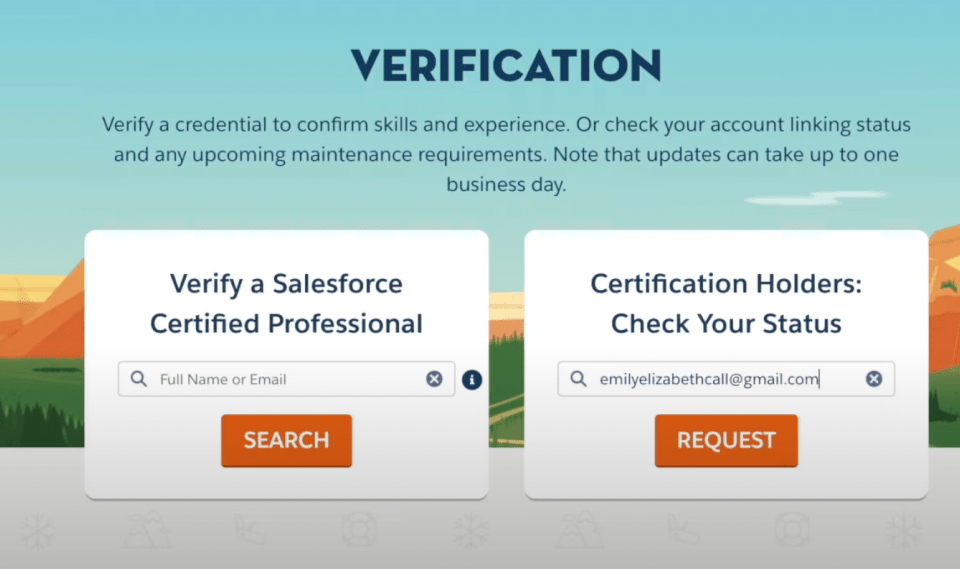
- Online verification portals
- QR codes or barcodes linked to a public registry
If a certification offers no way to independently verify authenticity, that is a major red flag.
Step 5: Check Alignment With Professional Associations
For medical certifications to hold professional weight, they should align with standards from bodies like:
| Professional Body | Relevant Certifications |
|---|---|
| American Heart Association (AHA) | BLS, ACLS, PALS, HEARTSAVER |
| American Nurses Credentialing Center (ANCC) | Specialty nursing certifications |
| National Registry of Emergency Medical Technicians (NREMT) | EMT, AEMT, Paramedic |
| American Board of Medical Specialties (ABMS) | Physician board certifications |
| American Association of Critical-Care Nurses (AACN) | CCRN, PCCN, CMC |
Red Flags: Signs a Medical Certification May NOT Be Legit
The market for medical certifications is unfortunately filled with operators who exploit busy healthcare workers. Here are the most common warning signs:
🚩 No Expiration Date
Real advanced medical certifications expire. BLS is typically valid for 2 years. ACLS and PALS follow the same cycle. A certification that never expires is not maintaining standards and is almost certainly not accepted by serious employers.
🚩 Instant Certification Without Assessment
Any program that issues a certificate immediately upon payment — without completing coursework or passing a knowledge assessment — is a credential mill. Legitimate certifications require demonstrated competency, not just payment.
🚩 No Verifiable Organization Address or Contact Information
Legitimate organizations are transparent. They have real physical addresses, phone numbers, professional staff, and clearly posted organizational leadership. Anonymous or offshore operations with no verifiable business presence should be avoided.
🚩 Prices That Seem Too Good to Be True
While cost should never be the only factor, extremely low prices (under $10–$20 for a full certification course) often signal a low-quality program designed to collect fees rather than train competent practitioners.
🚩 No Skills Component for Hands-On Certifications
For certifications like BLS and ACLS, there is a real clinical skills component — chest compressions, airway management, defibrillation. Programs that certify individuals without any skills verification are not meeting the competency standards required in clinical environments.
Suggested read: LMS Certification Programs: Everything You Need to Know Before You Enroll
What Employers Really Think About Advanced Medical Certification Programs
Employer acceptance is the ultimate validator of any certification. Let’s look at how different healthcare settings approach third-party certification providers.
Hospitals and Health Systems
Large hospital systems — especially those with Magnet status or Joint Commission accreditation — tend to be the most stringent. Many require:
- AHA-issued BLS cards for all clinical staff
- AHA or equivalent-accredited ACLS for ICU, ED, and OR staff
- Board-certified specialty credentials from ANCC, AACN, or similar
Some systems have updated their policies to accept blended or online certifications post-COVID-19, as the pandemic forced rapid adoption of remote learning models. This has actually improved acceptance rates for programs like AMC among mid-sized health systems and outpatient facilities.
Outpatient Clinics and Private Practices
Outpatient and ambulatory care settings tend to be more flexible. These environments often accept a wider range of certification providers, including AMC, as long as the content aligns with current clinical guidelines. A family medicine clinic requiring BLS for nursing staff, for example, may not insist on AHA-issued credentials.
Travel Nursing and Allied Health Staffing Agencies
This is an area where certification verification becomes especially critical. Travel nursing agencies credential workers for placements at dozens of different hospitals, each with their own policies. Most reputable agencies will specify:
- Whether AHA-only credentials are required for a given placement
- Which certifications are universally accepted across their hospital partners
- The lead time required to obtain or renew certifications before a contract starts
Case Study: AMC Certification Acceptance in Practice
A registered nurse working in urgent care in Texas renewed her ACLS certification through Advanced Medical Certification after her AHA card expired. Her urgent care employer accepted the credential without issue. However, when she later applied for a PRN position at a large academic medical center, the credentialing office informed her that they required an AHA-issued ACLS card. She had to complete an additional AHA course before starting that role.
The takeaway: Advanced Medical Certification is legitimate and accepted in many settings, but it is not universally interchangeable with AHA-issued credentials in all clinical environments. Always verify before enrolling.
Advanced Medical Certification vs. AHA Certification: A Direct Comparison
| Feature | Advanced Medical Certification (AMC) | American Heart Association (AHA) |
|---|---|---|
| Delivery Format | Fully online | Blended (online + in-person skills) |
| Skills Verification | Self-attestation or facility-based | Proctored skills checkoff |
| Employer Acceptance | Wide but not universal | Universally accepted |
| Cost | Generally lower (~$35–$75) | Higher (~$50–$150 with course fees) |
| Validity Period | Typically 2 years | 2 years |
| Alignment With ILCOR Guidelines | Yes | Yes |
| Public Verification Registry | Yes | Yes |
| Best For | Outpatient, urgent care, renewal situations | Hospital, ICU, ED, academic medical centers |
The Role of ISO Certification in Medical Credentialing
When evaluating the legitimacy of any advanced medical certification program, it is also worth understanding broader quality management standards. Organizations that hold ISO certifications — particularly ISO 9001 (Quality Management Systems) or ISO 17024 (Competence of Certification Bodies) — have submitted to independent audits of their processes, governance, and quality controls.
For context, even medical device manufacturers and healthcare supply chain companies must demonstrate rigorous quality standards. You can learn more about how ISO certifications apply to medical and healthcare organizations by reading about sterigenics iso certificate and how ISO compliance is evaluated in health-related industries. Understanding these frameworks helps you recognize which certification bodies are operating at institutional-grade quality standards versus those that are not.
How to Choose the Right Advanced Medical Certification Program
If you’ve confirmed that your target certification is legitimate and accepted by your employer, here’s how to choose the best program for your specific situation:
Suggested read: Peptide Certification: Everything You Need to Know Before You Start
Consider Your Employer’s Requirements First
This is non-negotiable. Check before you buy. If your hospital requires AHA, go AHA. If your clinic accepts any accredited provider, you have more flexibility to choose based on cost, schedule, and format.
Evaluate the Curriculum Against Current Guidelines
Medical guidelines update regularly. The AHA publishes CPR and ECC guidelines on a 5-year cycle, with interim updates as new evidence emerges. Ensure your chosen program states explicitly that it follows the most current guidelines. Look for a “last updated” date on course materials.
Look for Continuing Education Credit (CEU/CME)
Some advanced medical certifications offer continuing education units (CEUs) or continuing medical education (CME) credits. If your state licensing board or specialty board requires a certain number of CEUs per renewal cycle, this can be a significant value-add.
Assess the Learning Experience
A good certification course should:
- Use high-quality video demonstrations
- Include realistic case-based scenarios
- Provide clear, accurate written content
- Test knowledge through validated question banks
- Offer customer support for technical or content questions
Understand the Recertification Process
How will you renew when your certification expires? Legitimate programs have clear, straightforward recertification pathways. Some offer discounted renewal pricing for returning students. Confirm the renewal process before you commit to a provider.
Frequently Asked Questions (FAQs) About Advanced Medical Certification
Is Advanced Medical Certification legit for hospital employment?
It depends on the specific hospital’s credentialing policies. Many outpatient facilities, urgent care centers, and smaller healthcare organizations accept AMC credentials. However, hospitals with Joint Commission accreditation or Magnet status may require AHA-issued certifications specifically. Always verify with your employer’s credentialing department before enrolling.
Is Advanced Medical Certification legit for ACLS renewal?
Advanced Medical Certification offers ACLS renewal courses that align with current ILCOR and AHA guidelines. For many healthcare settings, especially outpatient and non-hospital environments, the ACLS credential from AMC is accepted. For hospital-based or ICU positions, confirm acceptance with your employer before using AMC for ACLS renewal.
How do I check if an advanced medical certification is legit?
To verify if an advanced medical certification is legit, check whether the certifying organization holds NCCA or ANSI accreditation, whether their courses align with current clinical guidelines, whether there is a public verification registry, and whether your specific employer accepts their credentials. Reading employer-published credentialing policies and consulting HR directly are the most reliable methods.
Is an online advanced medical certification legit?
Online certifications can be fully legitimate when they are issued by accredited organizations, include rigorous knowledge assessments, align with current evidence-based guidelines, and are accepted by employers. Online delivery does not automatically disqualify a certification — what matters is the quality of the program, its accreditation status, and employer acceptance.
Is Advanced Medical Certification legit for nurses?
AMC certifications are used by many nurses, especially for life support recertifications such as BLS, ACLS, and PALS. Whether it satisfies your employer’s specific requirements depends on your healthcare setting. Nurses in Magnet hospitals or hospitals with strict AHA-only policies may need to obtain AHA-issued credentials for compliance.
What is the difference between a legitimate certification and a diploma mill?
A legitimate advanced medical certification requires you to demonstrate knowledge and competency through assessed coursework and examinations, has a defined expiration date, is issued by an organization with transparent governance and accreditation, and is verifiable through a public registry. A diploma mill charges fees and issues credentials without real competency evaluation, with no accreditation and no employer acceptance.
Is Advanced Medical Certification legit for travel nurses?
Travel nurses face highly variable credentialing requirements depending on their placement hospital. Some facilities accept AMC credentials; others require AHA-specific cards. Your staffing agency should clarify which certifications are accepted for each specific hospital placement. When in doubt, obtain AHA credentials to maximize your placement flexibility.
Final Verdict: Is Advanced Medical Certification Legit?
Yes — Advanced Medical Certification is a legitimate organization that provides quality online certifications in life support and emergency medicine topics. Its courses are aligned with current clinical guidelines, its certificates are verifiable, and its credentials are accepted by a wide range of healthcare employers.
However, “legitimate” does not mean “universally accepted.” Healthcare workers employed in or applying to hospital systems with strict AHA-only policies may find that AMC credentials do not satisfy their credentialing requirements. This is not a reflection of AMC’s quality — it is simply a matter of institutional policy.
The bottom line is this: do your homework before you enroll. Confirm acceptance with your employer, verify the program’s alignment with current guidelines, and make sure the certifying body has a transparent, verifiable, and accredited process. When you do those things, you will be able to confidently pursue the right advanced medical certification for your career.
Take Action: Verify Your Advanced Medical Certification Today
Still wondering is advanced medical certification legit for your specific situation? Take these steps right now:
- Call your employer’s credentialing or HR office and ask which certification providers they accept.
- Visit the certifying organization’s website and look for their accreditation details, course curriculum dates, and verification registry.
- Check the NCCA or ANSI accreditation database to confirm independent accreditation status.
- Read reviews from peers in your specialty on nursing forums, EMS communities, or medical professional LinkedIn groups.
- Enroll with confidence once you have verified acceptance — or choose an alternative provider if your employer has specific requirements.
Your certification is an investment in your clinical competency and your career. Make sure it is one that counts where it matters most. If you are ready to explore whether advanced medical certification is legit for your role, start by verifying employer requirements today.
Sources and References:
- National Commission for Certifying Agencies (NCCA): credentialingexcellence.org
- American Heart Association CPR & ECC Guidelines: cpr.heart.org
- ANSI/ISO 17024 Conformity Assessment Standards: ansi.org
- The Joint Commission Accreditation Standards: jointcommission.org
- International Liaison Committee on Resuscitation (ILCOR): ilcor.org
- Advanced Medical Certification: advancedmedicalcertification.com