 If you own a home or business with a security or fire alarm system, there is one document that can save you money, protect your property, and satisfy your insurance company all at once — the central station alarm certificate. Yet many property owners have never heard of it, don’t know how to get one, or don’t realize they may already qualify for one.
This article breaks down everything you need to know about the central station alarm certificate — what it is, how it works, who issues it, and exactly why it matters for your insurance premiums, your legal compliance, and your peace of mind.
What Is a Central Station Alarm Certificate?
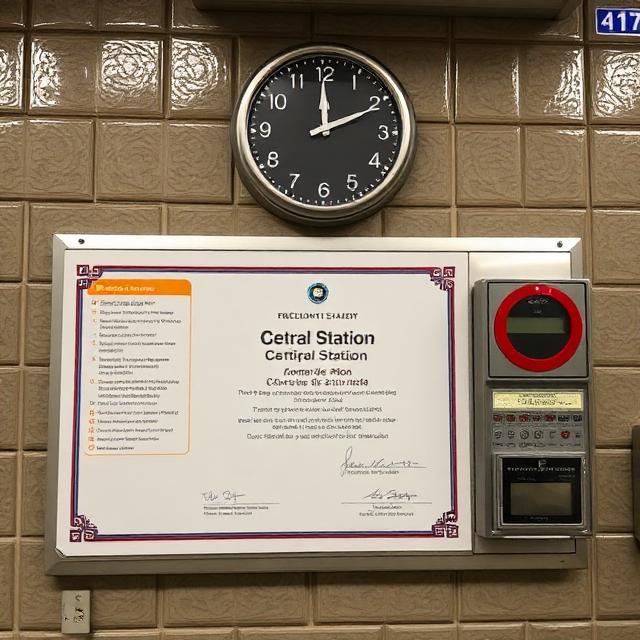
A central station monitoring certificate is a legal document that summarizes the types of alarm signals a particular panel is monitored for. These certificates are generally provided to an insurance company to verify you have coverage.
In simple terms, it is official proof that your home or business alarm system is actively connected to a professional monitoring station — a central hub staffed around the clock by trained operators who receive alerts from your alarm and dispatch emergency services when needed.
A central station is a commercial company that offers residential security, commercial security, and fire alarm signal monitoring services. The central station receives instant notification when an alarm is triggered at a protected property, and a trained operator at the central station makes the appropriate response.
The certificate itself is not just a receipt or a thank-you note. It is a formal declaration of your system’s features, capabilities, and the monitoring services attached to it. Insurance providers, code officials, and even landlords may request this document before granting discounts or approvals.
Why the Central Station Alarm Certificate Matters
Most people install an alarm system for one reason: safety. But the financial and legal benefits of holding a valid central station alarm certificate go far beyond simple peace of mind.
Suggested read: What Is a Workers Comp Insurance Certificate and Why Does Your Business Actually Need One?
1. Insurance Discounts — Real, Significant Savings
Homeowner’s insurance companies value alarm monitoring so much that they are willing to give you a discount of up to 20% off of your homeowner’s insurance premium.
Homeowner’s insurance isn’t cheap — the national average sits around $2,300/year in 2026. A 20% discount on a $2,300 annual premium equals $460 saved every single year. Over five years, that is more than $2,000 back in your pocket — just for having a monitored alarm and holding the certificate that proves it.
A compliant system can reduce your out-of-pocket costs after a loss, improve your eligibility for discounts (which can range from 5% to 20%), and make your home a harder target for criminals.
Here is a quick comparison of what different alarm setups typically earn you in insurance discounts:
| Alarm System Type | Monitoring Type | Typical Insurance Discount |
|---|---|---|
| Basic local siren (no monitoring) | None | 0% – 2% |
| Self-monitored DIY system | Homeowner only | 2% – 5% |
| Professionally monitored (central station) | 24/7 trained operators | 5% – 20% |
| Central station + fire + environmental sensors | Full coverage monitoring | Up to 20%+ |
Insurers will routinely give you 15% to 20% off for a fire and burglar alarm system hooked up to a third-party monitoring company.
2. Proof of Compliance for Code Officials
These certificates are a declaration of the features of the installed system and related services and are often required by insurance companies and code officials.
In many jurisdictions — especially commercial properties and high-value residences — local authorities and fire departments require documented proof that your alarm system is connected to an approved central station. Without the certificate, you may be found non-compliant during inspections.
3. Legal Requirement in Some Cities
A central station company shall obtain a certificate of operation prior to operating any central station or transmitting any alarms to the Department received from a protected premises.
Suggested read: What Is a Digital Certificate Manager and Why Does Your Business Need One?
In New York City, for example, it shall be unlawful for any person or entity to operate a central station company or central station that monitors fire alarm systems in protected premises without having first obtained a certificate of operation.
This means that not having the right certification in place can expose businesses and central station operators to legal penalties, including fines, suspension, or revocation of operating licenses.
Understanding UL Certification: The Gold Standard for Central Station Alarm Certificates
Not all central station alarm certificates are equal. The most respected and widely accepted form of certification comes from Underwriters Laboratories (UL) — an independent, nonprofit safety science organization that has set the benchmark for alarm monitoring quality for over a century.
UL certification means that Underwriters Laboratories has thoroughly evaluated the provider’s services and facilities. This non-profit organization assists companies in achieving regulatory compliance as well as demonstrating the quality, safety, and security of their services.
The Three Types of UL Central Station Certifications
UL offers three different central station certifications:
- Central station fire alarm service — This type of UL certification ensures the central station is able to notify the local fire department when there is an incident. It meets the requirements of the NFPA 101 and NFPA 72 codes.
The other two categories cover commercial burglar alarm services and residential security alarm services, each with its own specific UL standards.
What Does UL 827 Require?
UL 827 is the safety standard for Central Station Alarm Services. It establishes the requirements for the construction, performance, and operation of facilities that provide monitoring services for alarm systems, such as burglary, fire, and other emergency-related alarms.
Suggested read: Alarm Certificate: What It Is, Why You Need One, and How It Saves You Money on Insurance
To earn UL certification under UL 827, a monitoring station must go through an intensive evaluation process. Also known as “Listing,” the process of evaluating a central station for certification involves an on-site inspection of the central station operations and facility to ensure compliance with all UL 827 standards. The evaluator will compile the results of the examination in a report.
Monitoring stations must adhere to the requirements of UL 827, the Standard for Central-Station Alarm Services, and demonstrate compliance before becoming UL Listed. Annual audits of each UL Listed monitoring company are conducted to help confirm continued compliance.
Once certified, a Certificate of Compliance will be awarded if the facility passes the initial examination. This allows the central station to promote its services as being UL-Certified. Once confirmed as a UL-Certified central station, the company is also listed on UL’s online directory, which businesses and consumers can use to find reputable and qualified providers.
What Information Is Included on a Central Station Alarm Certificate?
When you receive your central station alarm certificate, it will typically contain the following details:
- Property address being monitored
- Type of alarm signals covered (burglary, fire, panic/holdup, medical, low temperature, carbon monoxide, water/flood)
- Communication path used (cellular, internet/IP, or landline)
- Name and certification status of the central monitoring station
- Date of certificate issuance and validity period
- Account number or monitoring reference ID
- Name of the subscriber (homeowner or business)
Alarm Grid offers CoAs for intrusion, smoke/fire, temperature/freeze, water/flood, and carbon monoxide (CO) gas. The Certificate of Alarm will also indicate which type of communication path is used with the system. This may be cellular, internet, or a phone line. It is possible to have more than one communication path set up with a system.
Pro Tip: Always double-check that your certificate lists all the alarm types your system monitors. Some homeowner’s insurance companies require your monitored security system to protect against theft and fire emergencies for you to be eligible for the biggest insurance premium discount available.
Types of Alarm Signals Covered by a Central Station Certificate
There are multiple types of alarms that any given panel can be monitored for such as: burglary, fire, panic/holdup, medical, and low temp. Once your Central Station service is active, you can perform certain tests for each type of function.
Here is a breakdown of what each alarm type covers:
Suggested read: Keyfactor Certificate Management: How It Works and Why Enterprises Need It Now
| Alarm Type | What It Monitors | Who It Benefits Most |
|---|---|---|
| Burglary | Doors, windows, motion sensors | Homeowners, retail businesses |
| Fire/Smoke | Smoke detectors, heat sensors | All property owners |
| Panic/Holdup | Silent panic buttons | Banks, jewelry stores, homes |
| Medical | Medical alert devices | Elderly residents, care facilities |
| Low Temperature | Freeze sensors | Vacation homes, pipes |
| Carbon Monoxide | CO gas detectors | All homes and offices |
| Water/Flood | Water sensors in basements | Properties in flood-prone areas |
The more signal types your system monitors, the more comprehensive your certificate — and often, the higher your insurance discount.
How to Get a Central Station Alarm Certificate
Getting a central station alarm certificate is straightforward when you are working with the right monitoring provider. Here is the typical step-by-step process:
Step 1: Sign Up for Central Station Monitoring
The first requirement is that your alarm system must be connected to a professionally staffed, UL-certified central monitoring station. Self-monitored systems — where you receive alerts on your phone and take action yourself — do not qualify.
To qualify for an insurance discount for home alarm protection, your system must be professionally monitored. In contrast, self-monitored or unmonitored systems do not qualify — even if they’re high-quality or send alerts to your phone.
Step 2: Complete a Successful Signal Test
In order to qualify for a CoA from Alarm Grid, you must have central station monitoring service, and you must have completed a successful signal test within the past two (2) months. Once a Certificate has been issued, it will remain valid for one (1) year. After that, you will need to perform a new test and have Alarm Grid verify the signals to receive an updated CoA.
Step 3: Request Your Certificate
Once your system is active and your test is verified, simply contact your monitoring company and request the certificate. Most providers now offer digital certificates. Once your system is activated and connected to their central station, they’ll issue a formal certificate of monitoring the very same day — often within hours. This certificate includes all the technical details your insurance company needs to verify that your system meets their criteria.
Step 4: Submit to Your Insurance Company
Your security company can provide you with an alarm monitoring certificate. This official document details the type of system you have, the components installed, and confirms that it is connected to a central monitoring station. Simply forward this certificate to your insurance provider.
Suggested read: Why the Entrust R Certificate Expires on Chase and What You Must Know Now
When you submit your certificate, insurers may ask for additional details to process your discount: a description of your alarm system (including the brand and model), confirmation that both burglary and fire monitoring are active, and proof that the monitoring is provided by a UL-certified central station.
Step 5: Notify Your Agent and Review Your Policy
After submitting the certificate, call your insurance agent directly. As soon as your system is up and running — and you have the right paperwork — contact your insurance agent. They’ll help you add the credit to your policy if you qualify.
Real-World Case Studies: How People Saved with a Central Station Alarm Certificate
Case Study 1: Jason in Texas
One customer, Jason from Texas, shared how he reactivated his old DSC alarm panel with SafeHomeCentral’s help and received his insurance certificate the same day. The result? A 15% discount on his homeowner’s policy, which nearly paid for an entire year of monitoring.
Case Study 2: Sarah in Pennsylvania
Another homeowner, Sarah from Pennsylvania, had a Napco system installed in her vacation home. She didn’t want to pay for a full monitoring package from one of the big names. With SafeHomeCentral, she activated her system using a cellular communicator and started receiving text alerts and real-time monitoring for a third of what she was quoted elsewhere. Her insurer was more than satisfied with the UL certificate, and she now saves over $300 annually on premiums.
Central Station Alarm Certificates for Commercial Properties
While much of the conversation around central station alarm certificates focuses on residential properties, businesses have even more to gain — and often more to lose if they skip it.
For monitoring stations, UL 827 certification highlights their commitment to quality and reliability, setting them apart from competitors who may not meet the same rigorous standards.
Commercial properties face:
- Higher insurance premiums to begin with, meaning discounts produce larger absolute savings
- Stricter regulatory requirements from local fire codes and building departments
- Greater exposure to theft, fire, and liability claims
- More complex alarm systems monitoring multiple floors, zones, and signal types
Several insurance companies that write homeowners’ policies require homes valued at over $400,000 have a central station alarm system. Homeowner insurance companies offer discounts ranging from 5% to 10% for having a central station reporting alarm system.
Suggested read: ISO 27001 Training and Certification: What You Need to Know in 2025
For commercial buildings, having a current, valid central station alarm certificate is often a non-negotiable requirement for business insurance underwriting.
The Role of Operators: Who Holds a Certificate of Fitness?
Beyond the certificate for the property itself, there is another layer of certification you should be aware of — especially if you are running or working within a central station.
Individuals working in central stations reporting fires occurring within the five boroughs of New York City must hold a Certificate of Fitness for Operator of Central Station Signaling Systems (F-40). Central stations are operated by firms that furnish, maintain and supervise alarm signals.
A central station company shall have sufficient personnel on duty at all times to ensure immediate attention to all signals received. This shall include a minimum of two (2) operators at each central station, each of whom shall possess a certificate of fitness to operate central station equipment.
This means the people behind the screens at a certified monitoring station are themselves required to hold professional credentials in many jurisdictions — adding another layer of accountability and reliability to the system that protects your property.
ETL Certification: An Alternative to UL for Central Station Alarm Certificates
UL is the best-known certification body for central station alarm services, but it is not the only one. Intertek’s ETL listing is a respected alternative that follows the same UL 827 standard.
Whether you monitor fire, security, or both, becoming an ETL Listed Central Station gives you a competitive edge by expanding your service offerings and boosting customer loyalty. As industry standards evolve, your certification ensures compliance with the latest requirements, helps reduce false or unwanted alarms and dispatches, and supports ongoing professional development and process improvements to maintain your reputation and attract new clients.
Suggested read: Access Certification Process: What It Is, How It Works, and Why It Matters for Your Organization
ETL-listed central stations can use the AlarmDIRECT platform to generate intrusion and fire certificates for their customers, similar to the UL AlarmHUB system.
How to Maximize Your Insurance Savings with a Central Station Alarm Certificate
Getting the certificate is step one. But there are smart strategies to maximize your discount and get the most value from your investment:
1. Monitor for Both Burglary AND Fire We have talked to some homeowner’s insurance companies that require your monitored security system to protect against theft and fire emergencies for you to be eligible for the biggest insurance premium discount available. Therefore, if you want to maximize your savings, adding smoke detectors and heat detectors to your security system can unlock the highest discount tier.
2. Add Environmental Sensors Monitored security systems that include environmental sensors, which protect against flood and extreme temperature situations, may be eligible for an additional homeowner’s insurance premium discount.
3. Use a UL-Certified Station Most insurers require that both burglary and fire risks are monitored 24/7, and that the monitoring station is UL-certified, proving it meets rigorous standards for reliability, redundancy, and responsiveness.
4. Ask Your Agent Directly Some agents don’t volunteer this information — you have to ask. Call your insurance agent and specifically ask about “central station monitored alarm discounts.”
5. Keep Your Certificate Current Alarm credits are based on ongoing monitoring. If you cancel or let the service lapse, you’ll likely lose the premium credit.
Actively Managed Certificates and Alarm Monitoring: A Connection Worth Knowing
Just as actively managed certificates in the financial world require ongoing oversight and management to deliver their value, central station alarm certificates are not set-and-forget documents. They must be actively maintained, renewed annually, and kept up to date with your current monitoring service. Letting a certificate lapse is the equivalent of letting a policy expire — the protection vanishes with it.
Suggested read: AIB Certification: What It Is and Why It Matters for Food Safety
Common Mistakes to Avoid with Central Station Alarm Certificates
Even well-intentioned homeowners and business owners make mistakes when it comes to their alarm certificates. Here are the most common ones to avoid:
- ❌ Assuming your alarm system is already monitored — Many systems are installed but never connected to a central station
- ❌ Submitting an expired certificate — Certificates typically need renewal every 12 months
- ❌ Not listing all alarm types — If your system monitors fire but the certificate only shows burglary, you lose part of your discount
- ❌ Using a non-UL-certified station — Some insurers will reject certificates from uncertified monitoring companies
- ❌ Forgetting to notify your insurer — Central Station Alarm vendors will furnish each new installation with proper documentation that we, as insurance agents, can use to apply the appropriate discount — but you still need to submit it
How Much Does Central Station Monitoring Cost vs. How Much You Save?
Here is a realistic cost-vs-savings breakdown to help you decide if central station monitoring — and the certificate that comes with it — is worth it for your situation:
| Item | Estimated Cost/Savings |
|---|---|
| Basic central station monitoring (landline) | ~$8.95/month ($107/year) |
| Cellular monitoring (standard) | ~$15–$25/month ($180–$300/year) |
| Full smart-home monitoring | ~$30–$50/month ($360–$600/year) |
| Insurance discount (5% on $2,300 premium) | $115/year saved |
| Insurance discount (15% on $2,300 premium) | $345/year saved |
| Insurance discount (20% on $2,300 premium) | $460/year saved |
Alarm Grid alarm monitoring plans backed by a central station start at only $15/month, so if your homeowner’s insurance premium is $900 a year, a 20% discount would subsidize the entire cost of the alarm monitoring plan. You can get the peace of mind and security that an alarm monitoring plan provides without spending a dime.
Get Your Central Station Alarm Certificate Today
If you don’t yet have a central station alarm certificate, you are likely leaving money on the table every time your insurance premium renews. Whether your home has a brand-new security system or a decades-old panel gathering dust, connecting it to a UL-certified central monitoring station and obtaining your certificate is one of the smartest financial moves you can make as a property owner.
Take action today:
- ✅ Contact a UL-certified monitoring company
- ✅ Activate or reconnect your existing alarm system
- ✅ Complete a verified signal test
- ✅ Request your central station alarm certificate
- ✅ Submit it to your insurance agent and ask about your discount
Frequently Asked Questions About the Central Station Alarm Certificate
What is a central station alarm certificate used for?
A central station alarm certificate is used to provide documented proof to your insurance company, code officials, or property managers that your alarm system is actively monitored 24/7 by a professionally staffed central monitoring station. It is most commonly used to qualify for homeowner’s or commercial property insurance discounts.
How long is a central station alarm certificate valid?
Most central station alarm certificates are valid for one year from the date of issuance. After that, you typically need to complete a new verified signal test and request an updated certificate from your monitoring provider.
Suggested read: MBA Certificate vs MBA Degree: Which One Is Actually Worth Your Time and Money?
Do I need a central station alarm certificate to get an insurance discount?
In most cases, yes. To qualify for an insurance discount for home alarm protection, your system must be professionally monitored. Self-monitored or unmonitored systems do not qualify — even if they’re high-quality or send alerts to your phone. The certificate is how you prove to your insurer that professional monitoring is in place.
Can I get a central station alarm certificate for a DIY alarm system?
Possibly — but only if the monitoring is provided by a licensed central station and your system is functioning properly. Self-install kits are trickier to certify, so you’ll need documentation proving the system qualifies.
Is a UL-certified central station required for the certificate to be accepted?
Most insurers require that the monitoring station is UL-certified, proving it meets rigorous standards for reliability, redundancy, and responsiveness. Always confirm your monitoring provider’s certification status before signing up.
How quickly can I get a central station alarm certificate after signing up for monitoring?
Once your system is activated and connected to their central station, they’ll issue a formal certificate of monitoring the very same day — often within hours.
What happens if I cancel my monitoring service?
Alarm credits are based on ongoing monitoring. If you cancel or let the service lapse, you’ll likely lose the premium credit. Your certificate becomes void and your insurance discount will be removed at your next renewal.
Is a central station alarm certificate required by law?
It depends on your location and property type. A central station company shall obtain a certificate of operation prior to operating any central station or transmitting any alarms to the Department received from a protected premises. For individual property owners, legal requirements vary by city and state, but it is always required to access insurance discounts.
This article references industry standards from UL Solutions Central Station Service Certification, Alarm System Store, Alarm Grid, and Intertek Central Station Certification.