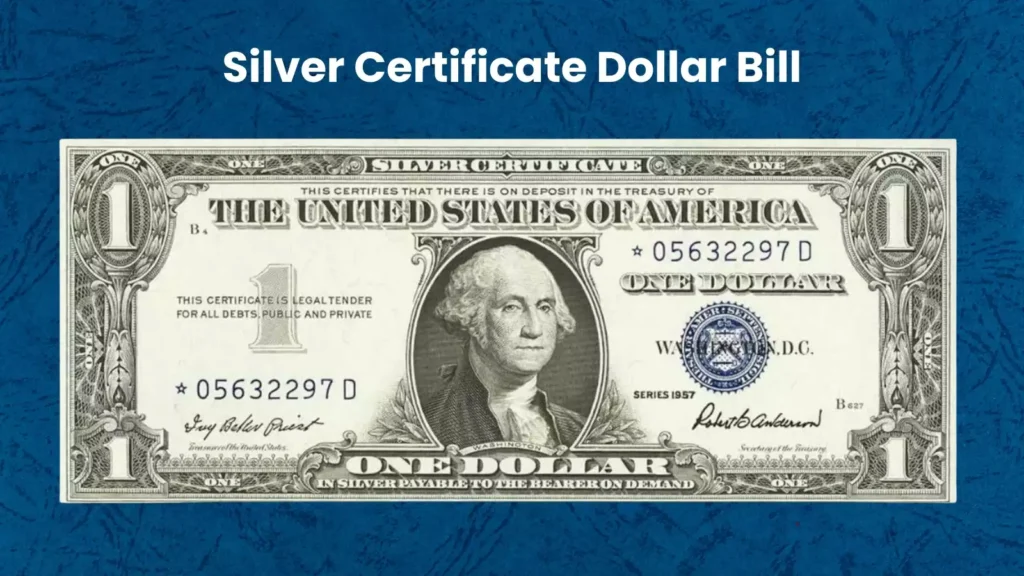
These items represent a type of paper currency formerly issued in the United States. Their face value was redeemable for silver coin or bullion. For example, a certificate with a face value of one dollar could, at one time, be exchanged for one silver dollar coin or its equivalent weight in silver bullion.
Their significance stems from a historical period when currency was more directly tied to precious metals. These certificates offered a convenient way to hold and transfer value linked to the government’s silver reserves. The history and collectibility of these documents contribute to their importance to numismatists and investors.
The factors that influence the worth of such currency include condition, series year, signature varieties, and overall rarity. Subsequent sections will explore these determinants in greater detail, providing a framework for understanding how collectors and investors assess these historical financial instruments.
1. Rarity
The scarcity of a particular certificate is a primary driver of its worth. Certificates issued in limited quantities or those with low survival rates command higher prices among collectors. This is a direct consequence of supply and demand; when fewer examples of a certificate exist, competition to acquire them increases. Certain series, print runs, or signature combinations were inherently produced in smaller numbers, establishing a baseline of rarity. Additionally, factors such as destruction, damage, or hoarding contribute to reducing the existing population, further elevating the value of surviving specimens. For instance, the “educational series” certificates of 1896, while not universally scarce, feature intricate designs that were quickly phased out, contributing to their collectibility and increased valuation today.
The impact of scarcity extends beyond initial production numbers. Some certificates, though initially produced in larger quantities, might have been heavily redeemed or damaged during their circulation. This reduces the number of surviving examples, effectively transforming a relatively common issue into a rarer find. Catalogues and price guides often categorize certificates by their rarity level, providing collectors with a framework for understanding the relative scarcity of different issues. Furthermore, certificates with unique serial numbers (such as low numbers or repeating digits) are considered novelties, adding to their collectibility and overall worth. The perception of rarity, influenced by documented production figures and observed availability in the market, greatly shapes the perception of value.
Suggested read: How to Set Up a Gift Certificate on Squarespace (And Boost Your Sales)
In conclusion, the relationship between scarcity and the overall worth is undeniable. The less frequently a specific certificate appears on the market, the greater its appeal to collectors and investors. This understanding of scarcity requires awareness of original print runs, historical redemption rates, and current market availability. Recognizing these variables allows for a more accurate assessment of the value and potential appreciation of these historical financial instruments.
2. Condition
The physical state of a certificate significantly influences its worth in the numismatic market. A well-preserved example commands a premium, while damage or deterioration can substantially reduce its appeal and monetary value.
-
Paper Quality and Integrity
The quality of the paper itself is paramount. Uncirculated certificates retain their original crispness and texture. Creases, folds, tears, pinholes, or stains detract from the paper’s integrity and lower its assessed condition. The presence of any chemical damage, such as foxing (small rust-colored spots) or fading, also negatively impacts the perceived and actual worth.
-
Clarity and Detail of Design
The sharpness and clarity of the printed design are crucial. Wear and tear, such as rubbing or fading, obscure the intricate details of the artwork and lettering. A certificate with a clear, well-defined design is considered more desirable and valuable. Evidence of alterations, such as cleaning or pressing, while sometimes intended to improve appearance, can actually damage the paper fibers and reduce the item’s worth.
Suggested read: Symantec EV SSL Certificate: Everything You Need to Know Before Securing Your Website
-
Centering and Margins
The centering of the design within the borders of the certificate is another factor. Well-centered certificates, where the design is equidistant from all edges, are generally more appealing to collectors. Examples with significant off-centering or portions of the design cut off are considered less desirable and may be valued lower.
-
Originality and Alterations
The originality of the note is a key factor. Any evidence of repairs, added ink, or alterations will reduce the note’s value. A note that is completely original and unaltered will always be more desirable than one that has been tampered with, even if the tampering was intended to improve its appearance.
In conclusion, condition is a critical determinant of these historical financial instruments. Collectors often use established grading scales (e.g., Sheldon scale) to objectively assess and communicate the condition of these certificates. A higher grade translates directly into a greater potential value, reflecting the certificate’s superior state of preservation.
3. Series Year
The series year imprinted on a certificate serves as a critical marker influencing its valuation. This designation indicates when the design and specifications of a particular issue were officially adopted. The series year often correlates with significant economic or political events that impacted the production and distribution of currency. Therefore, the series year not only dates the certificate but also provides contextual information that contributes directly to its collectability and inherent worth. For example, the 1899 “Black Eagle” certificate, easily identified by its series year and distinctive design, is a highly sought-after issue due to its historical significance and aesthetic appeal. These were printed during a period of economic growth, making examples more accessible to the public. This contributes to their demand in the numismatic market, ultimately driving up prices for well-preserved specimens.
The series year also dictates the signatures present on the certificate, as changes in Treasury officials and their corresponding signatures are reflected in new series designations. This signature element adds another layer of complexity to valuation, as certain signature combinations are rarer than others within the same series year. Furthermore, the metal content of the backing, which is silver in this case, may also shift depending on the series year, affecting the intrinsic value. In the mid-20th century, changes in silver prices and government policies led to alterations in the bullion backing these certificates, making earlier series, more closely tied to silver, potentially more valuable. Knowing the specific series year allows informed collectors to differentiate between various printings and assess their relative scarcity based on these nuanced details.
Suggested read: Symantec EV Certificate: Everything You Need to Know About Extended Validation SSL
In summary, the series year is a pivotal element in determining the worth of these paper money. It serves as a gateway to understanding the certificate’s historical context, design variations, signature combinations, and backing. A thorough understanding of the series year, coupled with an awareness of other contributing factors, is essential for anyone looking to accurately value, collect, or invest in these historical financial instruments. Challenges arise when deciphering subtle design differences across series years, but resources like specialized catalogs and expert consultations can aid in navigating these intricacies.
4. Signature
Official signatures appearing on these documents significantly influence their worth. These signatures are those of the United States Treasurer and the Secretary of the Treasury at the time of issue. Variations in these signatures, due to changes in officeholders, create distinct sub-varieties within the broader series. A signature combination that was only in use for a short period due to an official’s limited tenure becomes scarcer, impacting collectibility and value.
The clarity and condition of the signatures are also important. Signatures that are bold and well-defined enhance the certificate’s appeal, while faded or obscured signatures detract from its value. Signatures that are smudged or partially missing due to printing errors can create unusual and potentially valuable error notes. An example is a certificate with a mismatched or missing signature, increasing rarity and desirability. Collectors specifically seek out certificates with distinct or unusual signature characteristics, driving the demand and thus the value for these signature varieties.
In conclusion, official endorsements significantly influence these items worth. The combination of signatures present, along with their condition and clarity, contributes to the overall rarity and collectibility of the certificate. Recognizing signature varieties and their corresponding scarcity is crucial for accurately assessing the value and potential appreciation of these historical financial instruments. The challenge lies in identifying subtle differences in signature styles, requiring reference to specialized catalogs and expert knowledge.
5. Errors
Printing errors represent a significant facet in the valuation of paper money. These anomalies, occurring during the production process, deviate from the intended design and can substantially increase a certificate’s collectibility and, consequently, its monetary worth.
-
Inverted Overprints
Suggested read: UTI Certificate: Everything You Need to Know About Digital Signature Certificates from UTIITSL
An inverted overprint occurs when a portion of the design, such as the serial numbers or treasury seals, is printed upside down relative to the rest of the certificate. This error is visually striking and immediately apparent, making the certificate highly sought after by collectors. Such occurrences are the result of misaligned printing plates during the production process.
-
Missing Print
A missing print error occurs when a portion of the design is absent due to a printing plate malfunction or a lack of ink. This can range from a missing serial number to the absence of an entire design element. The value of a certificate with a missing print error depends on the significance of the missing element and the overall condition of the note.
-
Miscut Notes
Miscut notes result from improper alignment during the cutting process, leading to portions of adjacent notes appearing on the certificate or sections of the certificate being cut off. Extreme miscuts, where a significant portion of an adjacent note is visible, are particularly desirable among error collectors.
-
Double Denominations
These types of errors are less common. A double denomination is where the denomination is incorrect or duplicated. If there is a certificate showing $1 over $5 this is unique type of error that will increase its collectable amount significantly.
Suggested read: Art of Shaving Gift Certificate: The Ultimate Grooming Gift for Every Occasion
In conclusion, printing errors can substantially elevate the worth of these notes. Collectors actively seek out these anomalies, viewing them as unique and intriguing deviations from the norm. The extent to which an error influences value depends on its visibility, rarity, and the overall condition of the certificate. Accurate identification and authentication of errors are crucial for both collectors and investors seeking to navigate this specialized area of numismatics.
6. Denomination
The face value, or denomination, represents a fundamental factor influencing worth. Certificates were issued in various denominations, typically ranging from one dollar to one hundred dollars. Generally, higher denominations are rarer, owing to smaller print runs and potentially higher rates of redemption. As a result, the simple fact of being a $20, $50, or $100 piece immediately places it in a different valuation tier compared to the more common $1 denomination. The original purchasing power inherent in these higher denominations, when they were circulating currency, also contributes to their historical significance and desirability among collectors.
The impact of denomination extends beyond mere scarcity. A $1 certificate represents an accessible entry point for new collectors, contributing to relatively stable demand. In contrast, the $100 certificates are often pursued by seasoned collectors and investors, resulting in more volatile price fluctuations based on market conditions and individual specimen quality. Moreover, certain design elements or series variations are exclusive to particular denominations. The “educational series” of 1896, for example, included distinctive artwork across several denominations, with the $1, $2 and $5 certificates showcasing unique allegorical scenes. These design variations, intrinsically linked to denomination, further contribute to the certificates overall appeal and market value. Historical shifts in economic policy also impacted the availability and perception of different denominations, particularly during periods of inflation or economic uncertainty. For instance, certain higher denominations might have been hoarded during times of crisis, resulting in a disproportionate scarcity in the present day.
In summary, denomination serves as a primary determinant. Its influence is multifaceted, encompassing rarity, collector demand, design variations, and historical context. A comprehensive understanding of the relationship between denomination and other factors, such as series year and condition, is crucial for accurate valuation and informed decision-making in the numismatic market. The challenge resides in navigating the complex interplay of these variables, requiring diligent research and, often, expert consultation to fully grasp the worth of a given certificate.
Frequently Asked Questions Regarding Silver Certificate Values
The following addresses common inquiries about factors influencing the worth of these historical financial instruments.
Question 1: What is the primary factor determining the worth of a silver certificate?
Suggested read: CIT Certificate: Everything You Need to Know About Corporate Income Tax Certification in 2026
Rarity is a significant determinant. Certificates issued in smaller quantities or with low survival rates command higher prices.
Question 2: How does the condition affect the value of a silver certificate?
A well-preserved certificate with minimal wear and tear is worth significantly more than one that is heavily circulated, damaged, or stained.
Question 3: Why is the series year important in assessing a silver certificate’s value?
The series year indicates the design and issuance period. Certain series are scarcer or more historically significant, impacting their worth.
Question 4: Do the signatures on a silver certificate impact its value?
Suggested read: Get Your Wyoming Certificate of Good Standing Fast!
Yes. The signatures of the Treasurer and Secretary of the Treasury, and their variations, influence a certificates collectibility. Scarce signature combinations increase value.
Question 5: Are printing errors on a silver certificate desirable?
Printing errors, such as inverted overprints or missing print, are often highly sought after by collectors and can substantially increase the item’s worth.
Question 6: How does the denomination of a silver certificate affect its value?
Higher denominations (e.g., $20, $50, $100) are generally rarer than lower denominations (e.g., $1, $5, $10), leading to increased values.
The assessment of these historical financial instruments necessitates a thorough understanding of rarity, condition, series year, signatures, errors, and denomination. These factors, when carefully evaluated, provide a framework for determining an accurate valuation.
The succeeding section will present resources for further exploration of the topic.
Suggested read: Email for Italian Birth Certificate? Get it Now!
Tips Regarding Silver Certificate Values
The acquisition and assessment of these items requires a strategic approach. The subsequent guidelines offer valuable insight.
Tip 1: Prioritize Condition Assessment: Rigorously evaluate the physical state. High-grade certificates command substantial premiums, while damage significantly diminishes worth.
Tip 2: Research Series Year Scarcity: Determine the production figures and survival rates for specific series. Rare series correlate with higher valuation.
Tip 3: Identify Signature Varieties: Familiarize yourself with Treasurer and Secretary of the Treasury signature combinations. Scarcity within signature pairings impacts worth.
Tip 4: Verify Authenticity: Ensure the certificate is genuine. Consult reputable numismatists or grading services to confirm authenticity and detect counterfeits.
Tip 5: Understand Error Types: Learn to recognize common printing errors such as inverted overprints or missing prints. These anomalies increase value.
Suggested read: Get Ancestor's Birth Certificate Italy: Who to Email + Tips
Tip 6: Consult Price Guides and Auction Records: Utilize established price guides as a starting point. Review recent auction results for comparable certificates to gauge market value.
Tip 7: Seek Expert Advice: Engage with knowledgeable numismatists or appraisers. Professional guidance provides nuanced insight and facilitates informed decisions.
These tips offer a framework for responsible acquisition and valuation. Applying these strategies mitigates risk and increases the likelihood of sound investment.
The concluding section will summarize the key points discussed in this article.
Silver Certificate Values
This exploration has detailed the key determinants of these items worth. Rarity, condition, series year, signatures, printing errors, and denomination each play a significant role in establishing an accurate valuation. Understanding the complex interplay of these factors is crucial for both collectors and investors.
Continued vigilance and informed decision-making are essential for navigating this nuanced market. Further research and engagement with expert resources will contribute to a more comprehensive understanding of these historical financial instruments and their enduring significance. The pursuit of knowledge will empower individuals to make sound judgments, preserve historical artifacts, and contribute to the continued appreciation of numismatic treasures.