
A specialized substrate, often cream or off-white in color and possessing a distinctive texture, is frequently selected for formal document presentation. It emulates the appearance of traditional animal skin material, offering a sense of antiquity and importance. This material enhances the perceived value and significance of the printed content, making it a suitable choice for conveying prestige and authenticity. A common application is for formal awards, achievements or completion of courses of study.
The utilization of this particular stock lends an air of timelessness and gravitas to the presented document. Its durability contributes to the longevity of the certificate, ensuring its preservation for years to come. Historically, such material evokes a sense of tradition and quality, associating the certificate with established institutions and enduring value. The tactile experience and visual appeal combine to create a lasting impression of accomplishment and recognition.
The subsequent sections will delve into the selection criteria, printing considerations, and preservation techniques relevant to the effective use of this distinct medium for formal certifications, ensuring a sophisticated and lasting presentation.
1. Material Composition
The material composition of specialty stock directly influences its suitability for use in creating formal certifications. The choice of raw materials and manufacturing processes determines the paper’s durability, appearance, and long-term stability, all of which are critical considerations for documents intended to represent lasting achievements.
-
Fiber Source
The primary fiber source, whether wood pulp, cotton rag, or synthetic fibers, dictates the paper’s strength and texture. Cotton rag, for example, typically yields a stronger, more durable material with a distinctive feel, making it a preferred choice for archival-quality certificates intended for long-term preservation. Wood pulp based options are more cost-effective but may require lignin removal to prevent yellowing and degradation over time.
-
Acidity (pH Level)
Acidic paper degrades over time, becoming brittle and discolored. Acid-free or neutral pH paper is essential for archival purposes. Certificates produced on acid-free stock are less susceptible to deterioration, ensuring the longevity of the document and preserving its integrity. Buffering agents may be added to the paper during manufacture to neutralize any residual acidity and further protect it from environmental pollutants.
-
Sizing Agents
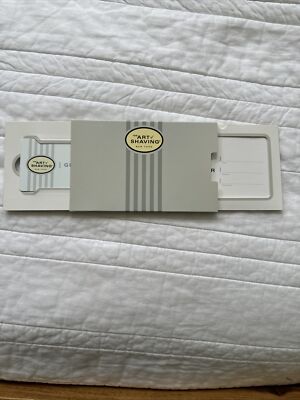
Suggested read: Art of Shaving Gift Certificate: Your Ultimate Guide to Premium Grooming Presents
Sizing agents, such as starch or synthetic polymers, are added to the paper during manufacture to control its absorbency and improve its printability. Internal sizing is added to the pulp slurry, while external sizing is applied to the paper surface. The type and amount of sizing agent used affects the paper’s ability to accept ink without feathering or bleeding, ensuring sharp and legible text and images on the certificate.
-
Additives and Coatings
Various additives and coatings can be applied to specialty stock to enhance its appearance and performance. These may include pigments to impart color, optical brighteners to increase whiteness, or surface coatings to improve smoothness and gloss. However, it’s crucial to ensure that any additives or coatings are archival-safe and compatible with the intended printing methods to avoid compromising the certificate’s longevity or print quality.
Ultimately, the careful selection of materials is paramount to the creation of a certificate that not only looks impressive but also stands the test of time. The interplay of fiber source, acidity, sizing agents, and additives significantly impacts the final product, underscoring the importance of considering these factors when choosing specialty stock for formal certifications.
2. Texture and Weight
The tactile quality and substance of formal certification stock contribute significantly to its perceived value and formality. Texture and weight are not merely aesthetic characteristics; they influence handling, print quality, and the overall impression of the presented document. The selection of specific attributes is therefore crucial in achieving the desired level of prestige and professionalism.
Higher weight indicates greater thickness and rigidity, providing a more substantial feel. This communicates importance and durability, suggesting a document of lasting significance. Rougher textures can evoke a sense of tradition and authenticity, reminiscent of historical documents, while smoother textures offer a more modern and refined aesthetic. The choice between these options depends on the intended message and the context of the certification. For instance, a medical certification may benefit from a smooth, clean texture conveying precision, while a historical society award might utilize a heavier stock with a subtle texture to reinforce its connection to the past.
In summary, careful consideration of texture and weight is essential for optimizing the impact of certificates. These physical properties affect both the visual appeal and the tactile experience, contributing directly to the overall perception of value and legitimacy. Overlooking these details can diminish the perceived worth of the certification, regardless of its content or the reputation of the issuing institution.
3. Archival Properties
The archival properties of substrate materials are paramount when creating certificates intended for long-term preservation. Selecting materials with appropriate archival characteristics ensures the document’s integrity and legibility are maintained for decades, or even centuries. This consideration is especially relevant when the certificate represents a significant achievement or milestone.
-
Acid-Free Composition
The presence of acid in paper accelerates degradation, leading to yellowing, embrittlement, and eventual disintegration. The utilization of acid-free (pH neutral or alkaline) stocks eliminates this risk. Real-world examples include certificates that have crumbled and faded within a few decades due to acidic composition, contrasting sharply with acid-free documents from similar periods that remain in excellent condition. The implications of using acidic paper for certifications are severe, diminishing the document’s longevity and undermining its perceived value.
Suggested read: Why Your Business Needs ISO 27001 Certification Consultants to Protect Your Data
-
Lignin Content
Lignin, a complex polymer found in wood, is a major contributor to paper degradation. Lignin oxidizes over time, causing yellowing and weakening of the paper fibers. Papers intended for archival applications should be lignin-free. Newspaper, with its high lignin content, exemplifies rapid degradation, while documents made from lignin-free cotton or linen rags demonstrate exceptional longevity. The presence of lignin in certification materials compromises their long-term stability.
-
Lightfastness
Exposure to light, particularly ultraviolet (UV) radiation, can cause fading and discoloration of inks and paper. Lightfastness refers to a material’s resistance to these effects. Archival-quality inks and papers should exhibit high lightfastness ratings. Historical documents displayed under direct sunlight often exhibit severe fading, highlighting the importance of lightfastness. The selection of materials with poor lightfastness renders certifications susceptible to irreversible damage upon exposure to ambient light.
-
Resistance to Environmental Factors
Archival materials should resist degradation caused by environmental factors such as humidity, temperature fluctuations, and pollutants. Humidity promotes mold growth and accelerates chemical reactions that degrade paper. Pollutants, such as sulfur dioxide, can react with paper fibers, causing acidification and embrittlement. Selecting materials that are inherently resistant to these factors, or storing certificates in controlled environments, is crucial for long-term preservation. The failure to protect certifications from environmental factors significantly reduces their lifespan and compromises their integrity.
The interplay between acid-free composition, lignin content, lightfastness, and resistance to environmental factors defines the archival quality. Prioritizing these aspects ensures that the certifications created today will remain legible and intact for future generations, serving as lasting testaments to the achievements they represent. These elements considered together ensures the legacy to any formal achievements.
4. Print Compatibility
Print compatibility, in the context of specialty stock for certifications, refers to the material’s ability to accept and retain ink or toner effectively, producing sharp, legible, and durable images and text. The texture, surface treatment, and fiber composition directly influence how well the stock interacts with various printing methods. Incompatibility can lead to smudging, feathering, poor ink adhesion, or uneven toner distribution, ultimately detracting from the certificate’s perceived value and professionalism. For example, a certificate printed on stock unsuitable for laser printers may exhibit toner flaking, while inkjet printing on excessively porous material can result in blurred text and images. The choice of printing method must, therefore, be carefully aligned with the substrate’s characteristics to achieve optimal results.
Several factors contribute to print compatibility. Surface smoothness plays a critical role, particularly for achieving fine detail and sharp lines. The presence of coatings or treatments, such as sizing agents, can enhance ink receptivity and prevent bleeding. The weight of the material also influences its ability to withstand the pressure and heat of certain printing processes. Real-world applications demonstrate the importance of these factors; certifications printed using archival-quality pigment inks on acid-free cotton stock exhibit superior longevity and resistance to fading compared to those printed with dye-based inks on wood pulp paper. Understanding these interactions is essential for institutions and organizations seeking to produce certifications that reflect quality and permanence.
In summary, print compatibility is a non-negotiable aspect of quality formal certifications. Careful consideration of the substrate’s surface properties, composition, and weight in relation to the chosen printing method is crucial for achieving the desired outcome. Failure to address this aspect can result in compromised image quality, reduced durability, and diminished perceived value. Therefore, investing in suitable materials and processes ensures that the certifications created effectively convey the intended message of achievement and lasting recognition.
Suggested read: CIT Certificate: Everything You Need to Know About Certified Information Technology Credentials
5. Aesthetic Presentation
Aesthetic presentation is a critical element in the overall impact and perceived value of documents printed on specialized stock. The visual appeal of the certificate significantly contributes to its perceived importance and the recipient’s sense of accomplishment. Effective aesthetic design enhances the message of achievement and lends credibility to the issuing institution.
-
Color Palette and Design Elements
The selection of appropriate colors and design elements contributes to the certificate’s overall tone and visual appeal. Colors should be chosen to complement the institution’s branding and evoke the desired emotions, such as prestige, trustworthiness, or tradition. Design elements, such as borders, seals, and typography, should be carefully considered to create a cohesive and professional appearance. Inappropriate color choices or clashing design elements can detract from the certificate’s impact and diminish its perceived value. For example, using a vibrant, modern color scheme for a historical society’s award might appear incongruous, while classic, muted tones would reinforce the organization’s heritage.
-
Typography and Legibility
The choice of fonts and their arrangement impacts the readability and overall aesthetic of the certificate. Fonts should be selected for their legibility and their ability to convey the appropriate tone. Serif fonts often evoke a sense of formality and tradition, while sans-serif fonts can project a more modern and clean aesthetic. Font size, spacing, and alignment should be carefully considered to ensure that the text is easy to read and visually appealing. Poor font choices or cluttered text layouts can make the certificate difficult to understand and diminish its impact.
-
Layout and Composition
The arrangement of text, images, and design elements within the certificate’s layout influences its visual balance and overall effectiveness. The layout should be organized and uncluttered, with a clear hierarchy of information. White space should be used effectively to create visual separation and prevent the certificate from appearing crowded. A well-composed layout guides the viewer’s eye through the document, highlighting key information and creating a sense of visual harmony. Poor layout choices can result in a confusing or visually unappealing certificate, detracting from its message and perceived value.
-
Embellishments and Finishing Touches
Additional embellishments, such as embossing, foil stamping, or die-cutting, can enhance the certificate’s aesthetic appeal and create a sense of luxury. These finishing touches add a tactile dimension to the certificate and can elevate its perceived value. However, embellishments should be used sparingly and thoughtfully to avoid overwhelming the design. Overuse of embellishments can appear gaudy or unprofessional. For example, a subtle embossed seal can add a touch of elegance, while excessive foil stamping can detract from the certificate’s overall aesthetic.
In summary, attention to aesthetic presentation is vital when creating formal certifications. The careful selection of color palettes, typography, layout, and embellishments contributes significantly to the certificate’s perceived value and impact. These elements should be thoughtfully integrated to create a cohesive and visually appealing document that effectively communicates the intended message of achievement and recognition. A certificate that is both well-designed and produced on high-quality substrate materials will undoubtedly leave a lasting and positive impression on the recipient.
Suggested read: Cash in Transit Certificate: Essential Protection for Your Business's Moving Assets
Frequently Asked Questions
The following section addresses common inquiries regarding the selection and utilization of specialized stock for formal certifications. These questions aim to clarify key aspects of material properties, printing considerations, and archival best practices.
Question 1: What constitutes “archival quality” in specialty stock for certifications?
Archival quality signifies that the stock possesses characteristics that ensure long-term preservation and resistance to degradation. This includes acid-free composition (pH 7 or higher), lignin-free content, and resistance to fading and discoloration caused by light and environmental factors. Materials meeting these criteria are more likely to maintain their integrity and legibility over extended periods.
Question 2: How does the weight of the stock impact the perceived value of a certificate?
The weight, measured in grams per square meter (gsm) or pounds (lbs), directly influences the stock’s thickness and rigidity. Heavier stock conveys a sense of substance and durability, contributing to the overall impression of quality and importance. Lighter stock, while potentially more economical, may appear flimsy and less prestigious.
Question 3: Are there specific printing methods best suited for use with certificate material?
The optimal printing method depends on the stock’s surface texture and composition. Laser printing is generally well-suited for smooth, coated stock, while inkjet printing may be preferable for textured or uncoated materials. Prior testing is recommended to ensure compatibility and prevent issues such as smudging, feathering, or poor ink adhesion. Archival pigment-based inks are recommended to ensure longevity.
Suggested read: Get Your RCES Certification + Training
Question 4: How does texture affect the final appearance of a printed certificate?
Texture influences the tactile feel and visual aesthetic. Smooth textures provide a clean, modern look and are well-suited for intricate designs and fine details. Textured surfaces can evoke a sense of tradition and authenticity. However, highly textured stock may present challenges for certain printing methods, potentially resulting in uneven ink coverage.
Question 5: Is it necessary to store certificates in a specific type of environment to ensure their longevity?
Proper storage is crucial for preserving certifications. Ideally, documents should be stored in a cool, dry, and dark environment, away from direct sunlight and extreme temperature fluctuations. Archival-quality storage materials, such as acid-free folders and boxes, further protect against degradation. Minimizing exposure to pollutants and handling the certificate with clean hands is also recommended.
Question 6: What are the long-term implications of using non-archival stock for certifications?
The use of non-archival stock can result in significant degradation over time, including yellowing, embrittlement, fading, and eventual disintegration. The document may become illegible or structurally compromised, diminishing its value and undermining the achievement it represents. Selecting archival-quality materials is a critical investment in the long-term preservation of formal certifications.
Selecting the appropriate materials significantly contributes to the lasting value and integrity of certifications. Proper consideration of the above factors ensures a lasting impression.
Suggested read: Ace Your Career: QAPI Certification Training
The subsequent section will delve into sourcing and purchasing options for specialized stock, offering guidance on identifying reputable suppliers and evaluating product specifications.
Guidance on Utilizing Formal Certification Substrates
The following recommendations are provided to optimize the selection and application of specialized materials for producing formal certifications. Adherence to these guidelines can enhance the perceived value and ensure the longevity of the presented documents.
Tip 1: Prioritize Archival Quality: Selection criteria should emphasize acid-free composition and lignin-free content. This ensures minimal degradation over time, preserving the certificate’s integrity for future generations.
Tip 2: Assess Print Method Compatibility: The stock’s surface texture and weight must align with the intended printing method (laser, inkjet, etc.) to prevent smudging, feathering, or uneven ink distribution. Testing a sample print is advisable.
Tip 3: Consider the Intended Message: The stock’s aesthetic qualities (color, texture, weight) should complement the message being conveyed. A historical society’s award may benefit from a textured, heavier stock, while a modern professional certification may be better suited to a smooth, lighter option.
Tip 4: Evaluate Supplier Reputation: Source specialized stock from reputable suppliers known for providing high-quality materials and accurate product specifications. Requesting samples and verifying certifications (e.g., ISO 9706) is recommended.
Tip 5: Control Environmental Exposure Post-Printing: After printing, protect the certificates from direct sunlight, humidity, and extreme temperature fluctuations. Archival-quality storage materials, such as acid-free folders, further mitigate environmental degradation.
Tip 6: Standardize Specifications: Establish consistent specifications for formal certification materials, including weight, texture, color, and archival properties, to maintain a uniform brand identity and ensure consistent quality across all documents.
Tip 7: Implement a Quality Control Process: Implement a rigorous quality control process to identify and address any defects or inconsistencies in the stock prior to printing. This minimizes waste and ensures the production of high-quality certifications.
The implementation of these tips will contribute to the production of formal certifications that effectively convey achievement, prestige, and lasting value. Strategic investment in appropriate materials and processes ensures the certificates withstand the test of time.
Suggested read: Get ProHeart Certification: Boost Your Value +
The article now moves toward a conclusive statement summarizing the importance of all elements covered.
Conclusion
The preceding discussion has emphasized the multifaceted considerations inherent in selecting and utilizing specialized materials for formal certifications. From archival properties to aesthetic presentation and print compatibility, each aspect plays a critical role in conveying a message of achievement and ensuring long-term preservation. The effective use of parchment paper for certificates, therefore, is not merely a matter of aesthetic preference but a strategic decision impacting the perceived value and enduring legacy of the presented document.
Organizations should prioritize informed decision-making regarding formal certifications. Investing in high-quality stock and implementing rigorous quality control processes can significantly enhance the impact and longevity of these important documents. This commitment to quality reflects a dedication to excellence and reinforces the value of the accomplishments they represent, ensuring a lasting testament to achievement and recognition.






Leave a Reply