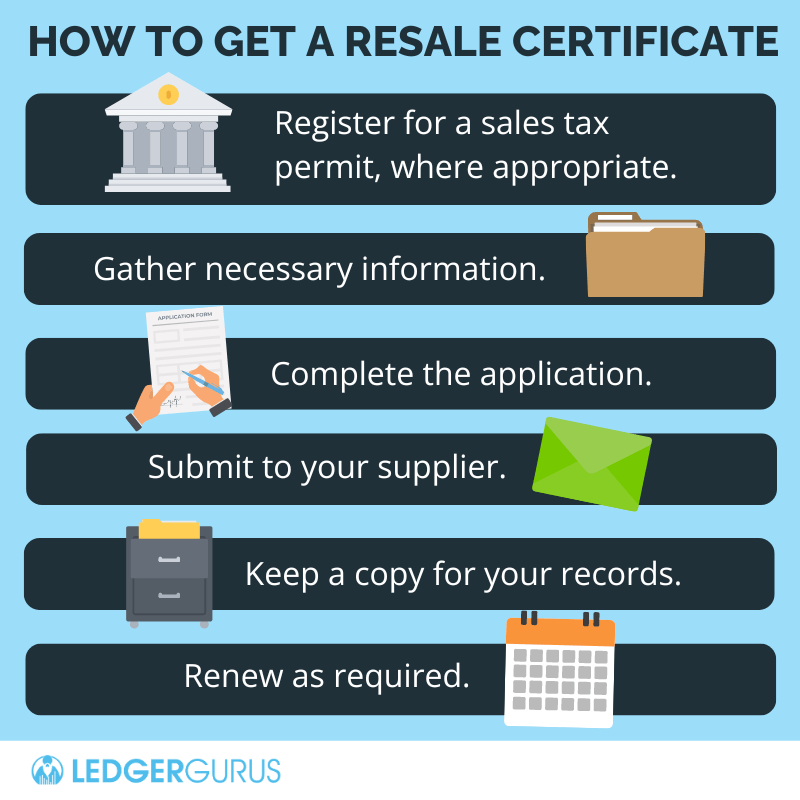
A document issued by the Indiana Department of Revenue, allows businesses to purchase goods or services without paying sales tax, provided these items are intended for resale. This exemption streamlines the purchasing process for retailers. For example, a clothing store can acquire merchandise from a wholesaler without paying sales tax at the time of purchase, as the sales tax will be collected when the clothing is ultimately sold to the end consumer.
This mechanism is vital for maintaining a fair and efficient tax system. It prevents the cascading effect of sales tax being levied at each stage of the supply chain. By eliminating sales tax on wholesale transactions, the certificate helps reduce the overall cost of goods, thereby benefiting both businesses and consumers. Historically, the implementation of such certificates reflects a commitment to supporting economic activity by fostering a smoother flow of goods and services within the state.
Understanding the nuances of acquiring and utilizing this certificate is crucial for businesses operating in Indiana. The subsequent sections will elaborate on the eligibility requirements, the application process, acceptable uses, and potential consequences of misuse, providing a comprehensive guide for navigating the relevant regulations.
1. Eligibility Requirements
The issuance of an Indiana resale certificate is contingent upon meeting specific eligibility requirements mandated by the Indiana Department of Revenue. These requirements serve as a safeguard to ensure that only legitimate businesses engaged in the resale of goods are granted the privilege of purchasing inventory tax-free. Failure to meet these criteria will result in denial of the certificate. For example, an individual attempting to purchase electronics for personal use cannot obtain a resale certificate, as they lack the necessary business structure and intent for resale. Conversely, a properly registered electronics retailer with a history of sales and tax filings would likely meet the requirements.
These stipulations frequently involve demonstrating an active business registration, providing proof of a retail merchant certificate (or equivalent), and possessing a clear understanding of sales tax obligations. Furthermore, the Department of Revenue may scrutinize the applicant’s business activities to ensure the primary purpose aligns with reselling tangible personal property. Consider a scenario where a construction company seeks a resale certificate; if their primary business involves providing construction services, rather than reselling building materials, their application would likely be rejected, even if they occasionally sell leftover materials to clients.
Suggested read: Get Your SC Resale Certificate: Guide & Apply Today
In summary, the eligibility requirements are an integral component of the system. They are not merely bureaucratic hurdles, but rather a critical mechanism for preserving the integrity of Indiana’s sales tax revenue and preventing misuse of the exemption. Understanding these requirements is essential for any Indiana business anticipating purchasing goods for resale, as non-compliance can lead to penalties, tax liabilities, and even revocation of the certificate. Diligence in fulfilling the prerequisites ensures businesses can legally and efficiently manage their tax obligations.
2. Application Process
The acquisition of an Indiana resale certificate mandates adherence to a clearly defined application process established by the Indiana Department of Revenue. This process serves as the initial gatekeeper, determining which businesses are granted the privilege of purchasing goods tax-exempt for resale purposes. The efficacy of the entire certificate system hinges upon the rigor and accuracy of this application phase. Deficiencies in the application process, such as inadequate verification procedures, would undermine the intended purpose of the certificate, potentially leading to revenue loss for the state and unfair competitive advantages for non-compliant businesses. For example, a simplified application without sufficient identity verification could allow fraudulent entities to obtain certificates, enabling them to purchase goods tax-free and then sell them without remitting sales tax, thereby undercutting legitimate businesses.
The application process typically necessitates the provision of pertinent business information, including legal name, address, Federal Employer Identification Number (FEIN) or Social Security Number (SSN), and a description of the business activities. Furthermore, applicants may be required to submit copies of their Retail Merchant Certificate or other documentation demonstrating their engagement in the business of reselling tangible personal property. The Department of Revenue reviews these submissions to ascertain the applicant’s eligibility and to mitigate the risk of fraudulent or improper use of the certificate. Consider a scenario where a business incorrectly classifies its activities, claiming to be primarily engaged in resale when its primary function is providing services; the Department’s review process should identify this discrepancy and prevent the issuance of a certificate. A comprehensive application requires the applicants signature, affirming the accuracy of the information provided and acknowledging their understanding of the applicable rules and regulations.
In conclusion, the application process is a critical component of the entire system. It establishes the foundation for responsible use of the certificate. The Department of Revenues meticulous review and verification processes act as a safeguard, protecting state revenue and promoting fair competition. Businesses seeking to obtain an Indiana resale certificate must thoroughly understand and diligently comply with all application requirements to avoid delays, denials, and potential penalties. Mastering this process is paramount to ensuring compliance.
3. Acceptable Uses
The lawful utilization of an Indiana resale certificate is strictly delimited to the purchase of tangible personal property that the certificate holder intends to resell in the ordinary course of business. Adherence to these stipulations is paramount to maintaining compliance with Indiana tax law and avoiding potential penalties.
-
Inventory Acquisition for Resale
Suggested read: Get Your Louisiana Resale Certificate Fast & Easy
The primary and permissible application of the certificate lies in acquiring inventory intended for direct resale to customers. For instance, a bookstore can leverage the certificate to purchase books from a publisher without incurring sales tax, provided that these books are subsequently offered for sale to the public. The certificate cannot be invoked to purchase books for internal use, such as reference materials for employees.
-
Items Becoming Components of Resold Goods
The certificate extends to the procurement of items that become physical components of goods ultimately sold. An example is a furniture manufacturer procuring wood, fabric, and hardware tax-free, given that these materials are integrated into the finished furniture pieces offered for sale. The distinction is clear: the certificate applies to raw materials directly incorporated into resold goods, not to tools or equipment used in the manufacturing process.
-
Exclusions: Consumables and Business Expenses
The certificate explicitly excludes the purchase of consumable items used in the operation of a business or items considered business expenses. A restaurant, for example, cannot employ the certificate to purchase cleaning supplies, office equipment, or employee uniforms, as these items are not resold to customers. Attempting to use the certificate for these types of purchases constitutes misuse and can result in penalties.
-
Strict Adherence to Resale Intent
Suggested read: Iowa Teaching Certificate Renewal Guide for 2025
The determining factor for acceptable use is the unwavering intent to resell the purchased goods. If a business initially acquires an item with the intention of resale but subsequently decides to use it internally, sales tax becomes due on that item. For example, if an electronics store purchases a television with a resale certificate but later installs it in their break room, they must remit sales tax to the state based on the original purchase price.
These facets collectively underscore the core principle: the certificate’s legitimacy hinges on the direct link between the purchased goods and their subsequent resale to consumers. Deviations from this principle constitute misuse, potentially leading to audits, assessments of unpaid taxes, and revocation of the Indiana resale certificate. Proper understanding and conscientious application are vital for Indiana businesses.
4. Renewal Procedures
Renewal procedures form an indispensable component of the Indiana resale certificate framework. The certificate, granting tax-exempt purchasing privileges, is not perpetually valid; it requires periodic renewal to ensure continued compliance with state regulations and to maintain the integrity of the tax system. Lapses in renewal can result in significant repercussions, including the loss of tax-exempt purchasing privileges and potential penalties. The expiration date is often printed directly on the certificate, though it is the responsibility of the business to track and manage the renewal process. Failure to renew invalidates the certificate, rendering subsequent tax-exempt purchases unlawful. For example, a retail store that neglects to renew its certificate and continues purchasing inventory tax-free would be liable for the uncollected sales tax, along with potential interest and penalties assessed by the Indiana Department of Revenue.
The renewal process typically mirrors the initial application, requiring businesses to reaffirm their eligibility and update any pertinent information, such as changes in business address or ownership. This ensures the state maintains accurate records of certificate holders and that only legitimate businesses actively engaged in resale retain the exemption. The Indiana Department of Revenue may utilize the renewal process to conduct audits or request additional documentation to verify compliance. For instance, businesses with a history of non-compliance or questionable purchasing patterns may face heightened scrutiny during the renewal phase. This process also allows the state to update certificate holders on any changes to tax laws or regulations, ensuring they remain informed of their obligations.
In conclusion, adherence to renewal procedures is not merely a bureaucratic formality, but a critical responsibility for businesses holding an Indiana resale certificate. The renewal process provides a mechanism for maintaining the validity of the certificate, ensuring continued compliance with state tax laws, and avoiding potential penalties. Businesses must proactively monitor their certificate’s expiration date and diligently complete the renewal process in a timely manner to safeguard their tax-exempt purchasing privileges and maintain good standing with the Indiana Department of Revenue. It ensures that the framework benefits both the state and the business, by confirming that legitimate operations can conduct tax-exempt purchases and allowing the state to have accurate data on these purchases.
5. Auditing Compliance
Auditing compliance is a crucial element in the administration and enforcement of Indiana’s regulations. These audits serve as a vital mechanism for verifying that businesses are adhering to the stipulations governing the use of this certificate, ensuring the integrity of the state’s sales tax system.
Suggested read: Keyfactor Certificate Management: How It Works and Why Enterprises Need It Now
-
Verification of Exempt Purchases
Audits scrutinize purchase records to ascertain whether tax-exempt acquisitions were genuinely for resale purposes. For example, an auditor might examine a retailer’s invoices to confirm that items purchased with the certificate were subsequently sold to customers and that appropriate sales tax was collected and remitted on those sales. Discrepancies between purchase records and sales transactions can trigger further investigation and potential penalties.
-
Examination of Business Activities
Audits may involve a comprehensive review of a business’s operations to ensure that its primary activity aligns with reselling tangible personal property. If a business’s activities appear to deviate significantly from resale, the auditor may question the legitimacy of the certificate’s use. For instance, an audit might reveal that a company claiming to be a retailer primarily provides services, raising concerns about the validity of its tax-exempt purchases.
-
Assessment of Penalties for Non-Compliance
When audits uncover instances of misuse or non-compliance, the Indiana Department of Revenue has the authority to assess penalties, interest, and back taxes. These penalties can be substantial, potentially impacting a business’s financial stability. For example, if an audit determines that a business improperly used its certificate to purchase items for personal use, it could be liable for the uncollected sales tax, plus penalties and interest.
Suggested read: Iowa Teaching Certificate Renewal: Everything Educators Need to Know in 2025
-
Revocation of Certificate Privileges
In cases of egregious or repeated non-compliance, the Indiana Department of Revenue may revoke a business’s certificate privileges, effectively prohibiting the business from making future tax-exempt purchases. This action can have a severe impact on a business’s ability to compete, as it would be forced to pay sales tax on all inventory acquisitions. The revocation serves as a deterrent, reinforcing the importance of adhering to the regulations governing the use of the certificate.
These components demonstrate that auditing compliance is not simply a procedural matter but a critical enforcement mechanism for the certificate program. By meticulously scrutinizing purchase records, examining business activities, assessing penalties, and, if necessary, revoking certificate privileges, the Indiana Department of Revenue ensures that the certificate is used responsibly and that the state’s sales tax revenues are protected. These compliance measures are essential for maintaining a fair and equitable tax environment for all businesses operating within Indiana.
Frequently Asked Questions about Indiana Resale Certificates
This section addresses common inquiries regarding the acquisition, utilization, and maintenance of the document within Indiana.
Question 1: Who is eligible to obtain an Indiana resale certificate?
Eligibility extends to businesses engaged in the regular business of reselling tangible personal property. Applicants must possess a valid Retail Merchant Certificate (or equivalent) and demonstrate a clear intention to resell the purchased goods.
Suggested read: Sterigenics ISO Certificate: What You Need to Know
Question 2: How does one apply for an Indiana resale certificate?
The application process involves submitting a formal application to the Indiana Department of Revenue. The application requires detailed information about the business, including its legal name, address, Federal Employer Identification Number (FEIN), and a description of its activities. Supporting documentation may be required.
Question 3: For what purposes can the Indiana resale certificate be used?
The certificate permits the tax-exempt purchase of tangible personal property intended for resale. It is applicable to inventory acquisitions and materials that become components of resold goods. It is not valid for purchasing consumables, business expenses, or items for personal use.
Question 4: How often must an Indiana resale certificate be renewed?
The Indiana resale certificate requires periodic renewal. The specific renewal frequency is determined by the Indiana Department of Revenue. Businesses are responsible for monitoring the certificate’s expiration date and completing the renewal process in a timely fashion.
Suggested read: MBA Certificate vs MBA Degree: Which One Is Actually Worth Your Time and Money?
Question 5: What are the potential consequences of misusing an Indiana resale certificate?
Misuse of the certificate can result in severe penalties, including assessments of unpaid taxes, interest, and fines. In egregious cases, the Indiana Department of Revenue may revoke the certificate privileges, prohibiting the business from making future tax-exempt purchases.
Question 6: How can a business ensure compliance with Indiana resale certificate regulations?
Compliance necessitates a thorough understanding of the applicable regulations, meticulous record-keeping, and strict adherence to the permissible uses of the certificate. Businesses should consult with a qualified tax professional or the Indiana Department of Revenue for guidance.
The Indiana resale certificate framework aims to facilitate legitimate business operations while safeguarding state revenue. Proper adherence to its stipulations is crucial for avoiding penalties and maintaining good standing.
The subsequent section will delve into resources available to aid in further understanding of this important certificate.
Suggested read: Best Certificate of Insurance Tracking Software: Top Tools to Protect Your Business in 2025
Indiana Resale Certificate
Navigating the intricacies of Indiana’s tax regulations requires a clear understanding of the stipulations governing the Indiana resale certificate. This section provides essential tips to ensure compliance and optimize its use.
Tip 1: Verify Eligibility Prior to Application: Before initiating the application process, rigorously assess whether the business meets all eligibility requirements. This includes possessing a valid Retail Merchant Certificate and engaging primarily in the resale of tangible personal property. Failure to meet these requirements will result in application rejection and wasted resources.
Tip 2: Maintain Meticulous Records of all Purchases: Detailed records of all purchases made using the Indiana resale certificate are paramount. These records should include invoices, dates of purchase, vendor information, and a clear description of the items acquired. Such documentation is essential for demonstrating compliance during audits and addressing any discrepancies that may arise.
Tip 3: Strictly Adhere to Acceptable Use Guidelines: The certificate is solely for acquiring goods intended for resale. Avoid using it for purchasing consumables, business expenses, or items for personal use. Misuse can trigger penalties and potentially lead to revocation of the certificate.
Tip 4: Proactively Track and Manage Renewal Deadlines: The Indiana resale certificate is not perpetually valid. Monitor the expiration date and initiate the renewal process well in advance of the deadline. Failure to renew will result in the loss of tax-exempt purchasing privileges.
Tip 5: Seek Professional Guidance from Tax Consultants: Indiana’s tax laws can be complex. Consulting with a qualified tax professional can provide invaluable assistance in navigating the regulations governing the resale certificate, ensuring compliance, and maximizing its benefits. A tax consultant can also help structure accounting systems to ensure ease of compliance.
Suggested read: Gift Certificate Tracking Software: Everything You Need to Know Before You Buy
Tip 6: Understand the Tax Implications of Internal Use: If an item is initially purchased with a resale certificate but subsequently used internally, it is imperative to remit sales tax on that item. Failing to do so constitutes a violation of the regulations and can lead to penalties.
These tips represent fundamental best practices for businesses operating under the purview of Indiana’s resale certificate regulations. Diligent adherence to these guidelines will minimize the risk of non-compliance and optimize the benefits of this valuable tax exemption.
The concluding section will provide a summary of key considerations and highlight additional resources for continued education on Indiana resale certificates.
Conclusion
The preceding exploration of the Indiana resale certificate has illuminated its pivotal role in the state’s tax structure. The certificate facilitates tax-exempt purchases for businesses actively engaged in reselling tangible personal property. Understanding the eligibility criteria, application processes, acceptable uses, renewal procedures, and compliance measures is paramount for all Indiana businesses seeking to leverage this exemption.
The Indiana resale certificate represents a significant responsibility. Diligent adherence to regulations, meticulous record-keeping, and a commitment to ethical business practices are essential. The continued proper implementation and oversight of this certificate are crucial for maintaining a fair and equitable business environment within the state, ensuring that tax revenue is appropriately collected and that legitimate businesses are afforded the intended benefits. Businesses are encouraged to seek professional guidance to ensure full compliance.