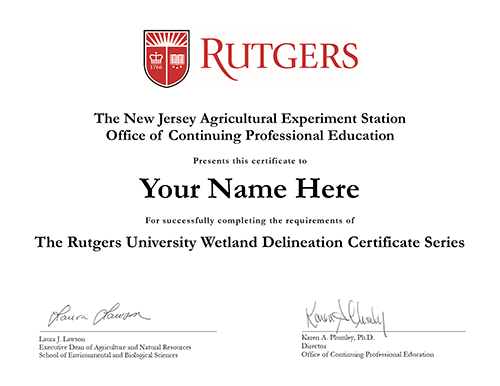
The process of obtaining formal recognition for competence in identifying and mapping the boundaries of wetlands, as defined by regulatory agencies, signifies a commitment to adhering to standardized methodologies. Attaining this credential often requires completing specialized training courses, passing rigorous examinations, and demonstrating practical experience in the field. For instance, an environmental consultant seeking to provide expert testimony in a jurisdictional determination case would likely require this verification of expertise.
Accurate wetland identification is critical for effective environmental management and regulatory compliance. It ensures that these ecologically significant areas, which provide essential ecosystem services such as flood control, water filtration, and wildlife habitat, are properly protected under relevant laws and policies. Historically, inconsistencies in wetland boundary determinations led to regulatory ambiguities and potential environmental degradation, driving the need for standardized training and independent verification of expertise.
The subsequent sections will explore the specific requirements for achieving recognized professional standing in this field, examining the core competencies assessed, the various pathways to qualification, and the ongoing professional development necessary to maintain current knowledge of evolving regulations and best practices. Further examination will focus on the influence this validation has on project permitting, environmental impact assessments, and overall conservation efforts.
1. Standardized Methodologies
Standardized methodologies are integral to the process of obtaining and maintaining recognized professional standing in wetland delineation. The certification process explicitly evaluates an individual’s proficiency in applying these established techniques, ensuring consistent and reliable wetland boundary determinations. For instance, the US Army Corps of Engineers’ Wetland Delineation Manual serves as a primary reference, dictating specific indicators (vegetation, soil, and hydrology) and procedures for identifying jurisdictional wetlands. Failure to adhere to these methodologies can result in an inaccurate delineation, potentially leading to legal challenges or improper resource management decisions.
The application of standardized methodologies minimizes subjectivity in wetland determinations. Consider a scenario where two consultants delineate the same site. If one consultant deviates from the established protocols, their delineation may differ significantly from that of a consultant rigorously adhering to the prescribed methods. These inconsistencies can have substantial ramifications for development projects, influencing permitting requirements and potentially leading to costly delays or mitigation efforts. Certification programs, by emphasizing adherence to standardized practices, strive to mitigate such discrepancies and promote scientifically defensible outcomes.
Suggested read: Dream Catchers Hair Extension Certification: Everything You Need to Know Before You Enroll
In summary, standardized methodologies are not merely guidelines but essential components of achieving professional competency in wetland delineation. The ability to accurately and consistently apply these methods is a cornerstone of the certification process. Challenges remain in ensuring uniform interpretation and application across diverse environmental conditions; however, continued emphasis on rigorous training and adherence to established protocols is vital for maintaining the integrity of wetland regulations and promoting effective resource management.
2. Regulatory Compliance
Regulatory compliance forms the bedrock upon which wetland delineation certification is built. Certification programs exist primarily to ensure that individuals conducting wetland delineations possess the knowledge and skills necessary to accurately interpret and apply relevant regulations. The accuracy of wetland boundaries directly impacts compliance with laws such as the Clean Water Act, which protects wetlands as “waters of the United States.” Incorrect delineations can lead to violations, fines, and mandated restoration efforts. Therefore, competency in interpreting and adhering to regulatory frameworks is a central criterion for certification. For instance, a certified professional must be adept at understanding and applying the definition of “jurisdictional wetlands” as defined by the US Army Corps of Engineers and the Environmental Protection Agency.
Practical application of regulatory knowledge is paramount. Consider a scenario where a developer proposes a construction project impacting a potential wetland. A certified wetland delineator is tasked with determining the wetland’s boundaries and assessing its jurisdictional status. Their assessment directly informs permitting decisions by regulatory agencies. If the delineation is inaccurate or fails to properly account for regulatory definitions, the developer may proceed with activities that violate environmental laws. Conversely, an accurate delineation, conducted by a certified professional, provides the regulatory agencies with the necessary information to ensure the project complies with all applicable regulations, including mitigation requirements or alternative project designs. This highlights the critical role certification plays in facilitating informed decision-making and preventing unintentional regulatory breaches.
In conclusion, regulatory compliance is not merely a tangential aspect of wetland delineation certification; it is its foundational principle. The certification process is designed to ensure that professionals can accurately interpret and apply complex regulations, protecting valuable wetland resources and ensuring compliance with environmental laws. While challenges remain in keeping abreast of evolving regulations and interpreting them in diverse environmental settings, the emphasis on regulatory compliance within certification programs remains crucial for effective wetland management and conservation.
3. Ecological Understanding
Ecological understanding forms a vital, though sometimes less explicitly stated, component of comprehensive competence in wetland delineation. While certification programs often focus on regulatory frameworks and methodological precision, a deep grasp of wetland ecology is fundamentally necessary for accurate and meaningful boundary determination. The accurate identification of wetland indicators vegetation, soils, and hydrology hinges on an understanding of the ecological processes that shape these characteristics. For instance, recognizing plant adaptations to saturated soil conditions requires ecological knowledge extending beyond simple species identification. Similarly, interpreting hydrologic patterns necessitates an understanding of wetland hydrology’s influence on soil development and vegetation zonation. Without ecological grounding, a delineator risks misinterpreting indicators, leading to inaccurate boundary placements and potentially flawed regulatory decisions.
The practical significance of ecological understanding becomes particularly evident in complex or degraded wetland systems. Consider a situation involving a disturbed wetland impacted by invasive species. A delineator lacking ecological knowledge might overlook subtle hydrologic indicators or misinterpret the dominance of invasive vegetation, leading to an underestimation of the wetland’s boundaries and its functional value. Conversely, a delineator with strong ecological insights can better discern subtle indicators, understand the impact of disturbance on wetland processes, and more accurately delineate the wetland’s true extent and ecological significance. Furthermore, ecological knowledge informs the assessment of wetland functions and values, which are often considered in mitigation planning and regulatory decision-making. This extends beyond simply identifying wetland presence to evaluating its role in flood control, water quality improvement, and wildlife habitat provision.
Suggested read: How to Verify SOC 2 Certification: Everything You Need to Know Before Trusting a Vendor
In conclusion, while wetland delineation certification emphasizes adherence to standardized methodologies and regulatory compliance, a solid foundation in ecological principles is critical for accurate, defensible, and ecologically sound wetland boundary determinations. While direct assessment of ecological knowledge may vary across certification programs, its indirect influence on the proper interpretation of wetland indicators and the evaluation of wetland functions underscores its fundamental importance. Challenges lie in ensuring that certification programs adequately address and assess ecological competency, potentially through incorporating ecological coursework requirements or practical field assessments that evaluate the application of ecological principles in real-world scenarios. A strong ecological understanding promotes better wetland management and conservation outcomes.
4. Fieldwork Proficiency
Fieldwork proficiency stands as a cornerstone requirement for achieving recognized professional standing in wetland delineation. It reflects an individual’s practical ability to apply theoretical knowledge and standardized methodologies in diverse field conditions. The certification process places significant emphasis on demonstrating competence in identifying wetland indicators (vegetation, soils, and hydrology) within various environmental settings. For instance, a candidate must demonstrate proficiency in digging soil pits to analyze soil morphology, identifying plant species characteristic of wetland environments, and assessing hydrologic indicators such as water table levels and drainage patterns. These skills are directly evaluated through practical examinations and field-based assessments, ensuring candidates possess the hands-on expertise necessary for accurate wetland boundary determination. Failure to demonstrate adequate fieldwork skills invariably results in denial of certification, underscoring its importance within the credentialing process.
The practical significance of fieldwork proficiency extends beyond initial certification. Certified wetland delineators routinely encounter challenging field conditions, including remote locations, dense vegetation, and difficult terrain. Their ability to navigate these conditions, collect reliable data, and accurately interpret wetland indicators is crucial for providing defensible delineations. Consider a project involving a potential wetland located in a forested area with complex topography. A delineator lacking fieldwork skills may struggle to access the site, collect representative soil samples, or accurately assess hydrologic conditions. This could lead to an inaccurate delineation, potentially resulting in regulatory non-compliance or adverse environmental impacts. Conversely, a proficient delineator can effectively navigate the site, adapt to the challenging conditions, and gather the necessary data to produce a reliable and legally defensible delineation. This ability to handle real-world complexities is a key differentiator between a certified professional and someone lacking formal validation of their expertise.
In conclusion, fieldwork proficiency is not merely a desirable skill but an essential element of wetland delineation certification. It serves as a critical link between theoretical knowledge and practical application, ensuring that certified professionals possess the hands-on expertise needed to accurately delineate wetlands in diverse and challenging environments. While challenges remain in consistently assessing fieldwork skills across varied regional conditions and certification programs, the continued emphasis on practical experience and field-based evaluations is vital for maintaining the credibility of the certification process and protecting valuable wetland resources. The capacity to effectively conduct fieldwork provides a foundational element to sound wetland management and environmental compliance.
5. Continuing Education
Continuing education is an indispensable component of maintaining professional standing in the field of wetland delineation. Certification, while signifying an initial level of competence, necessitates ongoing learning to ensure practitioners remain current with evolving regulations, scientific advancements, and best practices within the discipline.
-
Regulatory Updates
Suggested read: Peptide Therapy Certification: What Every Healthcare Professional Needs to Know in 2025
Wetland regulations are subject to periodic revisions and reinterpretations by governing agencies. Continuing education programs provide a mechanism for certified professionals to stay abreast of these changes, ensuring their delineations adhere to the most current legal standards. For example, a change in the definition of “ordinary high water mark” could significantly impact wetland boundaries; ongoing training ensures correct application of the updated definition. Non-compliance due to outdated knowledge can result in legal challenges and project delays.
-
Scientific Advancements
The science of wetland ecology is constantly evolving. New research may identify previously unrecognized wetland indicators, refine existing delineation methodologies, or improve understanding of wetland functions and values. Continuing education opportunities allow certified professionals to integrate these advancements into their practice. For instance, the discovery of a new indicator plant species specific to certain wetland types requires ongoing training to incorporate this knowledge into delineation protocols. Failure to integrate new scientific findings can lead to inaccurate assessments and ineffective wetland management.
-
Methodological Refinements
Wetland delineation methodologies are periodically refined to improve accuracy and efficiency. These refinements may involve the adoption of new technologies, the development of more precise assessment techniques, or the standardization of data collection procedures. Continuing education provides a platform for certified professionals to learn and implement these methodological updates. The adoption of remote sensing technologies for initial wetland identification, for example, necessitates specialized training to effectively interpret satellite imagery and aerial photography. Ignoring methodological advancements can result in outdated practices and less accurate delineations.
-
Ethical Considerations
Suggested read: SPAB Certification: Everything You Need to Know About School Pupil Activity Bus Certification in California
Maintaining ethical standards is paramount in any professional field, including wetland delineation. Continuing education programs may address ethical considerations related to data integrity, conflict of interest, and professional responsibility. For example, training on proper documentation procedures and avoiding bias in wetland assessments ensures ethical and reliable delineation practices. A lapse in ethical conduct can undermine the credibility of the profession and lead to disciplinary action.
The incorporation of continuing education requirements within wetland delineation certification frameworks underscores the dynamic nature of the field and the necessity for ongoing professional development. It ensures that certified professionals possess the knowledge and skills required to accurately delineate wetlands, comply with evolving regulations, and contribute to the effective management and conservation of these valuable resources. The continuous pursuit of knowledge is not merely a recommendation, but a professional obligation for those entrusted with protecting wetland ecosystems.
Frequently Asked Questions
This section addresses common inquiries regarding the process and significance of acquiring formal validation in the field of wetland boundary determination.
Question 1: What constitutes “wetland delineation certification”?
This refers to a formal acknowledgment by a recognized governing body that an individual possesses the requisite knowledge, skills, and experience to accurately identify and map wetland boundaries in accordance with prevailing regulatory standards. It often involves a combination of academic qualifications, specialized training, practical experience, and successful completion of comprehensive examinations.
Suggested read: Is NASM Certification Worth It? An Honest Look at Costs, Benefits, and Career ROI
Question 2: Why is it crucial for professionals engaged in wetland boundary assessments?
It ensures that practitioners possess a standardized level of competency in applying established methodologies and interpreting relevant regulations. This minimizes subjectivity in wetland determinations, promotes consistency in environmental assessments, and ultimately safeguards compliance with laws protecting these ecologically significant areas.
Question 3: What are the prerequisites for obtaining a validated credential in wetland boundary assessment?
Specific requirements vary across certifying organizations; however, they typically include a bachelor’s degree in a related field (e.g., environmental science, biology, soil science), completion of specialized coursework in wetland delineation techniques, a minimum number of years of relevant practical experience, and successful completion of a comprehensive written and/or field examination.
Suggested read: A4M Peptide Certification: Everything Practitioners Need to Know Before Enrolling
Question 4: How does the process of independent confirmation benefit regulatory agencies and development proponents?
For regulatory agencies, it provides assurance that wetland delineations are conducted by qualified individuals, reducing the need for extensive review and verification. For development proponents, engaging a certified professional minimizes the risk of regulatory violations, project delays, and costly mitigation measures.
Question 5: What ongoing obligations are associated with maintaining an active qualification in this field?
Most certifying organizations require certified professionals to complete continuing education requirements on a regular basis. This ensures that practitioners remain current with evolving regulations, scientific advancements, and best practices in wetland delineation.
Suggested read: Why ISO 9000 Certification Consultants Are Essential for Business Growth
Question 6: How does the absence of validated competency affect the reliability of environmental assessments?
Without independent verification of expertise, wetland delineations may be subject to inconsistencies and inaccuracies, potentially leading to flawed regulatory decisions, inadequate environmental protection, and increased risk of legal challenges.
The understanding of these elements ensures the integrity of wetland delineation processes and, in turn, the protection of these essential ecosystems.
The subsequent section will delve into the economic impact of accurately determined wetland boundaries.
Key Considerations for Pursuing Wetland Delineation Certification
This section provides vital insights for individuals seeking formalized validation in the field of wetland boundary determination, ensuring preparedness and maximizing the likelihood of successful attainment.
Suggested read: ISO 27001 Certification Consultants: Your Strategic Partner for Information Security Excellence
Tip 1: Rigorously Assess Eligibility Requirements: Before initiating the certification process, thoroughly examine the specific prerequisites outlined by the certifying organization. This typically includes evaluating educational qualifications, minimum experience levels, and any required pre-certification training courses. Failure to meet these fundamental criteria will preclude successful application.
Tip 2: Prioritize Hands-On Field Experience: While academic knowledge is essential, practical field experience is paramount. Seek opportunities to participate in wetland delineations under the supervision of experienced professionals. Document the number of delineations conducted, the types of wetlands encountered, and the specific methodologies applied. This tangible experience will prove invaluable during the certification assessment.
Tip 3: Master the Relevant Regulatory Framework: Demonstrate a comprehensive understanding of federal, state, and local regulations governing wetland protection. Focus on key legislation such as the Clean Water Act and its implications for wetland jurisdictional determinations. Familiarity with agency guidance documents and case law is equally important. Regulatory acumen is a critical component of successful certification.
Tip 4: Develop Proficiency in Wetland Indicator Identification: Accurately identifying wetland vegetation, hydric soils, and wetland hydrology is fundamental to wetland delineation. Dedicate significant effort to mastering these core skills through both classroom instruction and field practice. Utilize established resources such as the US Army Corps of Engineers’ Wetland Delineation Manual and regional supplements. This proficiency will be rigorously tested during field assessments.
Tip 5: Prepare Thoroughly for the Certification Examination: The certification examination typically comprises both written and practical components. Develop a comprehensive study plan that covers all aspects of wetland delineation, including regulatory frameworks, delineation methodologies, and wetland ecology. Practice applying these concepts in realistic field scenarios. Adequate preparation is crucial for achieving a passing score.
Tip 6: Seek Mentorship from Experienced Professionals: Engaging with experienced and certified wetland delineators can provide invaluable guidance and support throughout the certification process. Seek opportunities to shadow their work, discuss complex delineation challenges, and gain insights into best practices. Mentorship can significantly enhance understanding and improve preparedness for the certification assessment.
Suggested read: CIT Certificate: Everything You Need to Know About Corporate Income Tax Certification in 2026
Tip 7: Document all Delineation Efforts Meticulously: Maintain detailed records of all wetland delineations conducted, including site descriptions, data collection methods, and rationale for boundary determinations. This documentation will serve as valuable evidence of practical experience and provide a basis for demonstrating competence during the certification process. Comprehensive documentation demonstrates a commitment to rigor and accuracy.
The successful acquisition of formal validation necessitates a strategic and dedicated approach. Meeting eligibility criteria, prioritizing practical experience, mastering regulatory frameworks, and preparing thoroughly for the certification examination are key factors contributing to successful outcomes.
The concluding section will summarize the overall benefits of possessing recognized competence in this specialized environmental field.
Conclusion
The preceding sections have explored the multifaceted nature of wetland delineation certification, emphasizing its role in ensuring competent application of standardized methodologies, adherence to regulatory frameworks, and sound ecological understanding. Fieldwork proficiency and continuing education are also critical components for achieving and maintaining this validated expertise. Certification serves as a verifiable benchmark of an individual’s capabilities in accurately identifying and mapping wetland boundaries.
Effective management and preservation of wetland resources depend on the consistent and reliable application of scientific principles and legal standards. Wetland delineation certification, therefore, is not merely a professional credential, but a critical element in safeguarding these valuable ecosystems for future generations. A continued commitment to upholding the rigor and integrity of certification programs remains essential for the success of wetland conservation efforts nationwide.