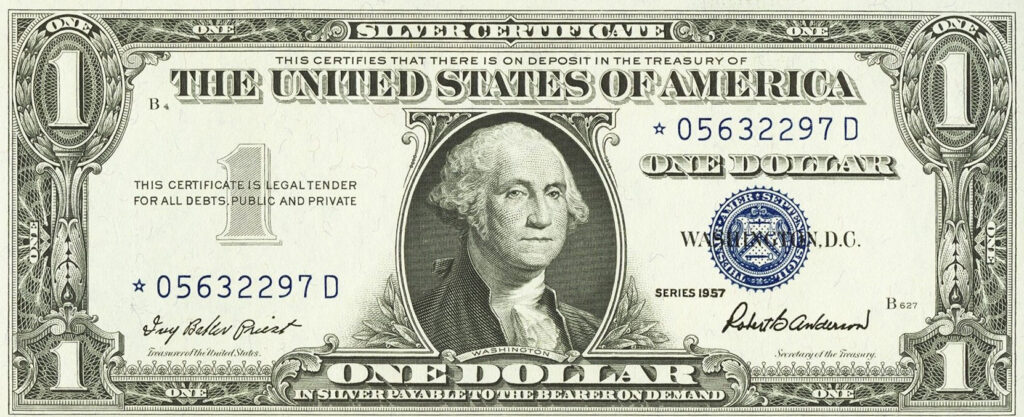
These currency notes, issued by the United States Treasury, represent a bygone era of American monetary policy. Their defining characteristic was their redeemability for a specific amount of silver bullion. For example, a one-dollar note could be exchanged for one dollar’s worth of silver. This feature, however, was discontinued in the 1960s, removing the direct link to the precious metal.
The appeal of these certificates stems from a combination of factors including historical significance, scarcity, and intrinsic material worth. Older series, particularly those with unique designs or low print runs, are highly sought after by collectors. Furthermore, the silver content of some issues adds to their inherent value, making them attractive as both a numismatic and a tangible asset. Their existence reflects a period when currency was directly tied to a physical commodity, providing a sense of stability and security that resonates with many individuals today.
The subsequent sections will delve into the specific attributes that determine the worth of these collectibles, examine the different series issued, and provide guidance on how to assess their condition and potential investment value.
1. Rarity
The scarcity of a particular silver certificate significantly impacts its market valuation. Rarity stems from factors such as limited print runs, low survival rates due to wear and tear, and specific historical circumstances surrounding the note’s issuance. For example, certain series of notes were produced in smaller quantities due to changes in government policy or economic conditions, directly contributing to their current rarity. The 1891 $5 Silver Certificate featuring a depiction of electricity presenting light to the world is a prime illustration. Fewer of these were printed compared to other denominations, and even fewer survived in excellent condition, thus inflating their worth among collectors.
The effect of rarity is amplified by collector demand. When a scarce certificate becomes highly sought after, prices escalate rapidly. This is particularly true for notes with unique features or historical significance. A “short snorter” note, signed by individuals traveling together (often during wartime), is an instance of how the specific history of a single certificate can add to its uniqueness and value. The demand for these types of certificates surpasses the limited supply, creating a competitive market that drives prices up.
Suggested read: How BigCommerce Gift Certificates Work — And How to Use Them to Boost Your Store Revenue
Understanding the concept of rarity and its impact is essential for anyone engaging in the acquisition or sale of silver certificates. It necessitates careful research into print runs, surviving populations, and specific historical details connected to individual notes. While condition remains a crucial factor, even a moderately circulated rare certificate can command a considerable premium, making it a potentially lucrative, albeit specialized, area of numismatic investment. Neglecting to assess rarity can result in both missed opportunities and ill-informed purchasing decisions.
2. Condition
The physical state of a silver certificate exerts a profound influence on its perceived and actual worth. Condition functions as a primary determinant in grading, directly correlating to collector desirability and subsequent market value. Preservation, or lack thereof, serves as evidence of handling, storage, and overall care across the certificate’s lifespan. Damage, ranging from minor creases to significant tears or staining, detracts from its aesthetic appeal and historical integrity. A pristine, uncirculated example represents the ideal state, indicating minimal handling and preservation of original qualities such as crispness, color fidelity, and sharp corners. Conversely, heavily circulated or damaged certificates experience a substantial devaluation due to the degradation of these attributes.
The grading system employed by professional numismatic services, such as PCGS or PMG, formalizes the assessment of condition, translating observable characteristics into standardized numerical scores. These scores directly influence buying and selling prices, often reflecting substantial disparities between grades. A difference of even a single grading point can result in exponential increases in value, particularly for higher-grade certificates. For example, a “Very Fine” grade certificate may command a price several times greater than a “Fine” grade example of the same series. Furthermore, damage like pinholes, often inflicted during past storage practices, greatly reduces worth. Likewise, attempts at cleaning or restoration, even if well-intentioned, can irreparably harm a certificate’s value, as originality is a premium characteristic. The significance of this becomes especially apparent when considering rare or historically important silver certificates.
In conclusion, the condition of a silver certificate is inextricably linked to its valuation. Meticulous preservation yields enhanced returns, while damage or deterioration invariably diminishes worth. An understanding of grading standards and potential detriments is essential for both collectors and investors. The pursuit of well-preserved examples necessitates careful examination, proper storage techniques, and, when appropriate, professional authentication and grading to realize the true potential value of these historical artifacts. Ignoring condition renders any assessment incomplete and potentially misleading, risking both financial loss and the misrepresentation of these tangible links to the past.
3. Series
The series of a silver certificate is a primary determinant of its potential value. The series designation, printed prominently on the note, indicates the year the design was approved and the specific regulations under which it was issued. This information directly impacts scarcity and collectibility because different series had varying print runs, design modifications, and historical contexts. Certain series were produced in far smaller quantities due to economic conditions, wartime demands, or policy changes, inherently increasing their rarity and thus their potential market worth. For example, the 1891, 1896, and 1899 series silver certificates are generally more sought after than later series due to their age, design intricacies, and lower survival rates. The “Educational Series” of 1896, with its allegorical depictions, is particularly valuable.
The series also dictates specific design features and signature combinations that influence value. Changes in Treasury officials resulted in different signatures appearing on the notes, with some signature combinations being rarer than others. Notes from earlier series often exhibit design characteristics absent in later issues, such as intricate vignettes and elaborate borders. The 1935 series, for instance, underwent several design changes designated by letter suffixes (A, B, C, etc.), each potentially holding a different value depending on scarcity and condition. Furthermore, errors in printing, discovered and corrected within a specific series, create distinct variations that command premium prices among collectors. Knowing the series allows for the accurate identification of these nuances, distinguishing common notes from those with significant added value.
Suggested read: UTI Certificate: Everything You Need to Know About Digital Signature Certificates from UTIITSL
In summary, the series designation is fundamental to assessing the worth of these certificates. It provides critical context regarding the note’s production volume, design attributes, and potential variations. Collectors must thoroughly research the various series to identify rare and desirable examples. Recognizing that not all silver certificates are created equal, and that the series is a major factor in determining worth, is crucial for informed purchasing decisions and effective management of any collection. Neglecting this crucial aspect can result in overpaying for common notes or overlooking potentially valuable rarities.
4. Signatures
The signatures appearing on silver certificates are not mere formalities; they are integral to establishing authenticity and influencing value. These signatures, typically those of the Secretary of the Treasury and the Treasurer of the United States at the time of issue, provide a verifiable link to the government’s authorization of the currency. Certain signature combinations, due to shorter tenures or smaller print runs during specific periods, are far scarcer than others, directly impacting a certificate’s desirability and market price. For instance, a silver certificate bearing the signatures of Blanche Bruce and A. U. Wyman from the late 19th century is significantly more valuable than one signed by Granahan and Dillon from the mid-20th century, simply due to the comparative rarity of the former pairing.
Furthermore, the condition and legibility of signatures are critical factors. Faded, smudged, or otherwise damaged signatures can detract from the overall value, while exceptionally clear and bold signatures may enhance it. The presence of signatures on a certificate also serves as a safeguard against counterfeiting, although skilled forgeries exist. Experts often analyze the style and ink used in signatures to detect fraudulent examples. Significant variations in signature combinations within the same series often result in collectors seeking out specific examples for their sets, further driving up demand and prices for rarer combinations.
In conclusion, signatures are a non-negligible element in the valuation of these notes. Their presence confirms legitimacy, and their specific combination determines scarcity and potential worth. Prudent collectors must understand the signature pairings associated with different series and assess their condition meticulously. Ignoring the significance of signatures can lead to both overpayment for common examples and the failure to recognize valuable rarities within a collection.
5. Errors
Errors on silver certificates represent anomalies in the production process, transforming otherwise ordinary currency into highly sought-after collectibles. These imperfections, ranging from minor misprints to significant deviations from the intended design, elevate the perceived value and desirability of these historical financial instruments.
-
Inverted Overprints
Suggested read: Silver Certificate Values: Guide & Worth Today
An inverted overprint error occurs when elements such as the serial numbers or treasury seals are printed upside down relative to the main design. These errors result from a malfunction in the printing press and are visually striking, immediately drawing the attention of collectors. For example, a Series 1935 silver certificate with an inverted overprint commands a substantial premium compared to a standard note of the same series, illustrating the significant impact of this specific error type.
-
Misaligned Prints
Misaligned prints arise when the front and back of a note are not perfectly aligned during the printing process. This can result in portions of the design being shifted off-center, creating a visible distortion. While minor misalignments are relatively common, significant misalignments that affect the legibility of the text or the integrity of the imagery are far rarer and more valuable. Collectors actively seek out these examples as evidence of a dramatic error in the printing process.
-
Blank Notes or Missing Prints
The most dramatic errors occur when portions of the design are entirely missing, resulting in blank spaces on the note. This can range from a missing serial number to a completely blank back. These errors are exceedingly rare, as they typically involve a major malfunction in the printing equipment. A silver certificate missing its treasury seal, for instance, would be a highly prized error, fetching a considerable sum in the collector’s market due to its unique and conspicuous nature.
-
Cutting Errors
Cutting errors occur when the sheets of printed notes are improperly cut, resulting in notes that are significantly larger or smaller than the standard size, or that include portions of an adjacent note. These errors are readily apparent and can dramatically increase a note’s value, particularly if the cutting error is extreme. For example, a silver certificate with a significant portion of a neighboring note attached would be a desirable addition to an error collection.
Suggested read: Who Needs Death Certificates? List & Guide
These error types, each representing a unique deviation from the intended design, contribute significantly to the allure of “valuable silver certificates.” The rarity and visual appeal of these anomalies transform otherwise common currency into prized possessions, demonstrating the compelling interplay between imperfection and intrinsic value in the numismatic world.
6. Silver Content
The intrinsic silver content of specific series of these certificates directly influences their value. Prior to 1968, certain denominations, notably the one-dollar silver certificate, were redeemable for a corresponding amount of silver bullion or silver dollars. The historical promise of convertibility to tangible silver imbued these certificates with a value tethered to the fluctuating price of the precious metal. Thus, even after the cessation of silver redemption, this historical association continues to contribute to their desirability among collectors and investors. The actual silver weight per certificate was relatively small, but it represented a guaranteed claim on a physical asset, a factor which differentiates these notes from contemporary fiat currency.
The fluctuating price of silver directly affects the perceived and real value of these certificates, particularly those that circulated during the redemption period. Periods of heightened silver prices often witness increased demand for these notes, as individuals seek to acquire a tangible, albeit small, stake in the metal. However, it’s crucial to recognize that the numismatic value, determined by factors like rarity, condition, and series, often outweighs the intrinsic melt value of the silver content. A pristine 1899 “Black Eagle” silver certificate, for example, would command a price far exceeding its equivalent silver value, highlighting the importance of considering both aspects when assessing overall worth. The historical tie to silver remains a fundamental aspect of their appeal, and a selling point during promotion.
In summary, silver content serves as a significant, albeit not always primary, driver of value. Although the redeemability feature is now defunct, the historical connection to a precious metal continues to resonate with collectors and investors, particularly in times of economic uncertainty or heightened inflation. Understanding the interplay between silver content and numismatic factors is crucial for making informed decisions in the acquisition or sale of these historical financial instruments. Ignoring this facet can lead to an underestimation of intrinsic worth or an overemphasis on melt value at the expense of collectible attributes.
Frequently Asked Questions About Valuable Silver Certificates
This section addresses common inquiries regarding the factors influencing the valuation of these historical currency notes. These answers aim to clarify misconceptions and provide essential information for collectors and investors.
Question 1: What fundamentally distinguishes a silver certificate from other forms of U.S. currency?
Suggested read: Get Free Mental Health Training + Certificates
The defining characteristic was its original redeemability for silver bullion or silver dollars. This historical convertibility to a tangible asset set it apart from standard fiat currency.
Question 2: Does the date printed on a silver certificate directly correlate to its value?
While the date, or series year, is a factor, it is not the sole determinant of value. Scarcity, condition, signature combinations, and the presence of errors also significantly contribute to a certificate’s overall worth.
Question 3: How does the condition of a certificate impact its appraised worth?
Suggested read: Rare $5 Silver Certificate 1934A Value & More!
Condition exerts a substantial influence. Well-preserved, uncirculated certificates command a premium, while heavily circulated or damaged examples experience a corresponding decrease in value.
Question 4: Are all signature combinations on silver certificates equally valuable?
No. Certain signature combinations, due to the shorter terms of office of the signatories or smaller print runs, are far rarer and thus more valuable than others.
Question 5: What types of errors can significantly increase a certificate’s market price?
Suggested read: Dream Catchers Hair Extension Certification: Everything You Need to Know Before You Enroll
Significant errors, such as inverted overprints, misaligned prints, missing design elements, and severe cutting errors, dramatically elevate a certificate’s value due to their scarcity.
Question 6: Does the silver content of a certificate always dictate its market price?
While the silver content contributes to its intrinsic value, the numismatic value (rarity, condition, and historical significance) typically outweighs the melt value of the silver.
In summary, the valuation of these certificates involves a complex interplay of factors. A comprehensive understanding of these elements is essential for informed collecting and investment decisions.
The following sections will provide practical guidance on identifying, assessing, and preserving these historical artifacts.
Suggested read: How to Set Up a Gift Certificate on Squarespace (And Boost Your Sales)
Valuable Silver Certificates
Navigating the acquisition and management of valuable silver certificates requires meticulous attention to detail and a thorough understanding of key factors that influence their worth. The following guidelines provide essential advice for both novice and experienced collectors.
Tip 1: Conduct Thorough Research: Prior to any purchase, investigate the specific series, print runs, signature combinations, and known errors associated with the certificate of interest. Reputable numismatic resources and price guides are invaluable tools for this purpose.
Tip 2: Prioritize Condition: Condition is paramount. Aim to acquire certificates in the highest possible grade within budgetary constraints. Minor imperfections can significantly reduce value. Utilize established grading standards (e.g., those of PCGS or PMG) for consistent evaluation.
Tip 3: Authenticate Certificates: Counterfeits exist. Employ reputable authentication services to verify the genuineness of any potentially valuable certificate, particularly those with rare features or high grades. Certification provides assurance and enhances resale value.
Tip 4: Understand Signature Variations: Familiarize yourself with the different signature combinations associated with each series. Certain combinations are far rarer than others, and their presence can substantially increase a certificate’s value. Document signature pairings meticulously.
Tip 5: Recognize and Document Errors: Become adept at identifying potential printing errors, such as inverted overprints, misaligned designs, or missing elements. Document errors thoroughly with high-resolution photographs and detailed descriptions, as this information is crucial for establishing provenance and value.
Suggested read: How to Verify SOC 2 Certification: Everything You Need to Know Before Trusting a Vendor
Tip 6: Properly Store Certificates: Employ archival-quality sleeves and storage containers to protect certificates from environmental damage, such as humidity, light, and pollutants. Handle certificates with care, using cotton gloves to prevent oil transfer and fingerprints.
Tip 7: Diversify Your Collection: Consider acquiring a range of silver certificates representing different series, denominations, and signature combinations. Diversification mitigates risk and increases the potential for long-term appreciation.
These guidelines emphasize the importance of diligence, knowledge, and careful handling when dealing with valuable silver certificates. Proper application of these principles will enhance both the enjoyment and potential financial rewards of collecting.
The subsequent section will delve into the importance of preservation techniques to maintain the value of these historical artifacts.
Valuable Silver Certificates
This exploration has underscored the nuanced nature of valuable silver certificates, demonstrating that their worth extends beyond mere face value. The interplay of rarity, condition, series, signatures, errors, and even silver content culminates in a complex valuation landscape. The dedicated collector or investor must possess a comprehensive understanding of these factors to navigate the market effectively and appreciate the historical significance of these relics of American monetary policy.
As tangible connections to a bygone era, these certificates offer a unique opportunity to own a piece of history. Continued research, careful preservation, and informed decision-making will ensure that the legacy of valuable silver certificates endures for generations to come. Further examination of market trends and emerging scholarship is strongly encouraged for any serious enthusiast.