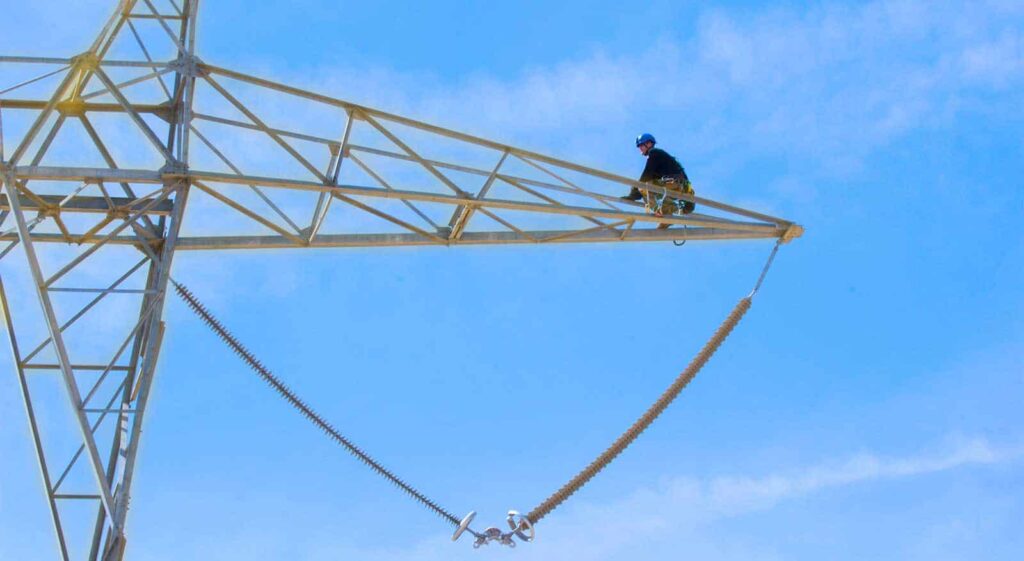
The process validates an individual’s proficiency in ascending and working on elevated structures like communication towers, wind turbines, and utility poles. This verification typically involves structured training programs, practical demonstrations, and written examinations to ensure adherence to safety protocols and industry best practices. Successful completion results in formal recognition of competence, allowing individuals to perform tasks at height with a documented level of skill.
Verification of skills in this domain is vital for minimizing risks associated with working at height, including falls and equipment malfunctions. It also provides employers with assurance that personnel possess the necessary abilities to execute their duties safely and effectively. Historically, informal on-the-job training was prevalent; however, standardized programs have emerged to enhance worker safety and compliance with increasingly stringent regulations.
The following discussion will explore specific aspects of achieving competency in this field, including training providers, curriculum components, renewal requirements, and the regulatory landscape governing work conducted on tall structures.
1. Competency Assessment
Competency assessment forms a cornerstone of verifiable proficiency in ascending and working on elevated structures. It serves as the mechanism by which an individual’s abilities are measured against predefined industry standards and regulatory requirements prior to receiving formal validation. This rigorous evaluation ensures personnel possess the requisite knowledge, skills, and aptitude to perform their duties safely and effectively.
-
Practical Skills Evaluation
This aspect encompasses the direct observation and evaluation of an individual’s ability to perform tasks related to ascending, descending, and working on towers. Examples include proper use of fall protection equipment, safe rigging techniques, and emergency rescue procedures. Successful demonstration of these skills under simulated or real-world conditions is critical for meeting assessment criteria.
Suggested read: Chief Revenue Officer Certification: Top Programs, Career Benefits & How to Choose the Right One
-
Theoretical Knowledge Verification
In addition to practical skills, a thorough understanding of relevant safety regulations, industry best practices, and structural principles is essential. Written examinations and oral assessments are used to verify an individual’s knowledge base. This ensures personnel can make informed decisions and respond appropriately to unforeseen circumstances.
-
Physical Fitness and Medical Evaluation
Work on elevated structures often demands a high level of physical fitness. Assessments may include evaluations of strength, endurance, and overall physical health to ensure individuals can meet the demands of the job safely. Medical evaluations are conducted to identify any pre-existing conditions that may pose a risk at height.
-
Emergency Response Proficiency
Personnel must demonstrate competence in emergency response procedures, including self-rescue and assisted rescue techniques. Simulations and practical exercises are used to evaluate an individual’s ability to respond effectively in the event of a fall or other emergency situation. This facet ensures that personnel can mitigate the consequences of accidents and provide timely assistance to colleagues.
The comprehensive nature of competency assessment ensures that only individuals meeting stringent criteria are granted formal recognition. This not only enhances worker safety but also contributes to the overall reliability and integrity of operations conducted on elevated structures. The integration of practical skills, theoretical knowledge, physical fitness, and emergency response proficiency guarantees a holistic evaluation of an individual’s readiness to perform tasks safely and effectively.
2. Safety regulations
Safety regulations form an integral foundation for tower climbing validation programs. These regulations, often mandated by governmental agencies or industry-specific organizations, dictate the minimum standards for safe work practices at height. Compliance with these regulations is not merely advisable; it is a prerequisite for acquiring and maintaining formal recognition. The regulations address a spectrum of safety concerns, including fall protection, equipment inspection, hazard identification, and emergency response protocols. Successful completion of a validation program demonstrates an individual’s understanding and adherence to these legally binding requirements.
Suggested read: ISO 27001 Training and Certification: What You Need to Know in 2025
The practical significance of safety regulations is evident in the reduced incidence of workplace accidents and fatalities within the tower climbing industry. For example, regulations stipulating the use of specific fall arrest systems have demonstrably decreased the severity of injuries sustained in the event of a fall. Furthermore, regulations concerning regular equipment inspections help to identify and remove defective or worn equipment from service, preventing potentially catastrophic failures. The implementation of robust safety regulations also fosters a culture of safety consciousness among tower climbers, promoting proactive hazard mitigation and risk assessment.
In summary, safety regulations are inextricably linked to validation in the tower climbing domain. They provide the framework for training curricula, assessment protocols, and ongoing competency maintenance. Challenges in this area include the continuous adaptation of regulations to address emerging technologies and work practices. The comprehensive understanding and implementation of these regulations are crucial for ensuring the safety and well-being of personnel working on elevated structures.
3. Industry Standards
Industry standards provide a structured framework that directly influences the content, requirements, and recognition of tower climbing validations. These standards, developed by organizations with expertise in the telecommunications, wind energy, and utility sectors, establish the benchmarks for safe and effective practices in the field. Adherence to these benchmarks is a defining element of credible validations.
-
Content Standardization
Industry standards dictate the specific topics covered within validation programs. For example, ANSI/ASSE A10.48 outlines training requirements for personnel working on communication structures. This standard mandates instruction on topics such as fall protection, rigging, and emergency rescue procedures. Therefore, validation programs aligning with this standard must incorporate these elements into their curriculum.
-
Performance Metrics
Standards define acceptable performance levels for practical skills and knowledge. Organizations like the National Association of Tower Erectors (NATE) establish guidelines for safe rigging practices and fall protection system implementation. Validation programs use these guidelines to assess an individual’s competency and ensure they meet the minimum acceptable performance criteria. For example, a candidate might be required to demonstrate proper knot-tying techniques or perform a rescue scenario within a specified timeframe, as defined by relevant standards.
Suggested read: Access Certification Process: What It Is, How It Works, and Why It Matters for Your Organization
-
Equipment Specifications
Industry standards often stipulate the types of equipment that must be used and maintained while working at height. These standards might reference specific ANSI or CSA standards for fall protection harnesses, lanyards, and other gear. Validations often include an evaluation of an individual’s ability to inspect, use, and maintain this equipment according to manufacturer specifications and relevant industry standards.
-
Reciprocity and Recognition
Adherence to widely recognized industry standards enhances the portability and acceptance of validations. A validation program accredited by a reputable organization, like the American National Standards Institute (ANSI), is more likely to be recognized across different companies and jurisdictions. This allows individuals to demonstrate their competence regardless of location, simplifying employment and project staffing.
The integration of industry standards into tower climbing validations ensures that programs remain relevant, effective, and aligned with best practices. By adhering to these standards, validations not only improve worker safety but also contribute to the overall professionalism and reliability of the tower climbing industry.
4. Training Programs
Structured training programs are essential precursors to achieving verifiable competence in tower climbing. These programs equip individuals with the requisite knowledge, skills, and practical experience to safely and effectively perform tasks at height. Successful completion of an accredited training program often constitutes a mandatory requirement for pursuing formal recognition.
-
Curriculum Standardization
Training programs designed to prepare individuals for tower climbing evaluation adhere to defined curricula, often dictated by industry standards or regulatory bodies. The curricula encompass topics such as fall protection systems, hazard identification, emergency procedures, and equipment inspection. For example, a program aligned with OSHA standards will dedicate significant time to understanding and implementing fall protection measures, including the proper use of harnesses, lanyards, and anchor points.
Suggested read: Principal Certification Online: How to Earn Your School Leadership Credential in 2024
-
Practical Application and Simulation
A significant portion of tower climbing training involves hands-on practice and simulated scenarios. Trainees engage in controlled exercises that replicate real-world conditions, allowing them to apply theoretical knowledge and develop practical skills. For example, a simulation might involve ascending a training tower, performing rigging operations, or executing a rescue procedure under the supervision of experienced instructors. These exercises build confidence and reinforce safe work practices.
-
Assessment and Evaluation
Training programs incorporate rigorous assessment and evaluation methods to gauge an individual’s comprehension and proficiency. These assessments typically include written examinations, practical demonstrations, and observation of work performance. Successful completion of these assessments is essential for demonstrating competence and progressing towards certification. For instance, a trainee might be required to pass a written exam on safety regulations and demonstrate the ability to properly inspect and use fall protection equipment.
-
Continuing Education and Recertification
Many tower climbing training programs offer continuing education courses and recertification options. These programs ensure that individuals maintain their competence and stay up-to-date with evolving industry standards and technological advancements. Recertification often involves refresher training, practical assessments, and updates on new regulations or best practices. This ensures ongoing adherence to safety protocols and promotes a culture of continuous improvement.
The integration of standardized curricula, practical application, assessment methods, and continuing education opportunities within tower climbing training programs is crucial for developing a skilled and safety-conscious workforce. These programs directly contribute to reducing workplace accidents and ensuring the integrity of operations conducted on elevated structures. The emphasis on ongoing training and recertification underscores the importance of maintaining competence throughout an individual’s career.
5. Equipment Inspection
Equipment inspection serves as a critical component of tower climbing certifications, directly influencing worker safety and operational reliability. Tower climbing inherently involves risks associated with height; therefore, the integrity of equipment becomes paramount. Certification programs mandate thorough inspection protocols to minimize equipment-related failures, which can lead to severe accidents. This emphasis stems from the understanding that even minor defects can escalate into hazardous situations under the stress of tower operations. For instance, a frayed lanyard unnoticed during a pre-climb inspection may snap under load, causing a fall. Consequently, demonstrating proficiency in equipment inspection is a core requirement for achieving verifiable competence.
Suggested read: Liftoff Certification Coupon Code: Save Big on Your Next Aviation or Tech Certification in 2025
Practical application of this understanding involves training candidates to meticulously examine harnesses, lanyards, connectors, and other climbing gear for signs of wear, damage, or corrosion. Inspection protocols often require documenting findings, removing compromised equipment from service, and ensuring replacements meet or exceed industry safety standards. Furthermore, certification programs may include scenarios where candidates must identify simulated defects on equipment, demonstrating their ability to recognize potential hazards. An example includes identifying hairline cracks on carabiners or assessing the functionality of self-retracting lifelines. Rigorous adherence to these inspection procedures is vital for mitigating risks in real-world tower environments.
In summary, equipment inspection is intrinsically linked to tower climbing certifications, acting as a primary safeguard against equipment-related accidents. Certification programs emphasize the importance of thorough inspections through training, practical assessments, and ongoing competency maintenance. Challenges within this domain include keeping pace with evolving equipment technologies and ensuring consistent adherence to inspection protocols across various work sites. The continuous reinforcement of equipment inspection best practices remains a key factor in maintaining safety standards within the tower climbing industry.
6. Renewal Requirements
Periodic recertification is an inherent aspect of maintaining verifiable proficiency in tower climbing. Formal recognition, once achieved, is not perpetually valid. The skills and knowledge required for safe operation at height are subject to degradation over time, necessitating regular updates and reassessments. Furthermore, industry best practices, regulatory requirements, and equipment technologies evolve continuously. Failure to stay abreast of these changes can compromise an individual’s ability to perform their duties safely and effectively. Consequently, renewal requirements are implemented to ensure ongoing competency and adherence to current standards.
These requirements typically involve a combination of refresher training, practical skills evaluations, and written examinations. For example, a certification that requires renewal every two years might necessitate completion of an eight-hour refresher course covering updated safety regulations and equipment advancements. Following the course, individuals must demonstrate their competency by successfully performing a series of practical tasks, such as rigging a fall protection system or executing a rescue procedure. Finally, a written exam assesses their understanding of the material covered in the refresher course and relevant industry standards. The successful completion of all these elements ensures that individuals maintain a current understanding of safety protocols and possess the requisite skills to operate safely.
In summary, renewal requirements are inextricably linked to the validity and credibility of tower climbing certifications. They serve as a mechanism for maintaining competence, promoting adherence to current standards, and mitigating risks associated with working at height. Challenges in this area include ensuring accessibility to recertification programs and addressing the potential for complacency among experienced climbers. The consistent enforcement of rigorous renewal requirements remains paramount to upholding safety standards within the tower climbing industry.
Frequently Asked Questions
The following questions address common inquiries regarding verification of competency for work on elevated structures. The answers provide concise and objective information.
Question 1: What is the typical duration of a tower climbing program?
Suggested read: AIB Certification: What It Is and Why It Matters for Food Safety
The length of a program can vary significantly, ranging from several days to several weeks, depending on the scope and depth of the curriculum. Factors influencing duration include the level of prior experience, the complexity of the tasks covered, and the specific requirements of the certifying body.
Question 2: Is prior experience required to enroll in a program?
While some programs cater to individuals with no prior experience, others require a demonstrable foundation in related fields, such as construction or telecommunications. Specific prerequisites vary between providers and the level of the certification being pursued. Checking prerequisites before enrolling is crucial.
Question 3: What are the common components of a typical program?
Programs typically include classroom instruction covering safety regulations, fall protection systems, and rescue procedures. Practical training sessions involve ascending and descending training towers, performing rigging operations, and simulating emergency scenarios. A written examination and practical assessment typically conclude the program.
Suggested read: Is Advanced Medical Certification Legit? What You Need to Know Before Enrolling
Question 4: How often must a tower climbing certification be renewed?
Renewal frequency varies, but it commonly ranges from one to three years. Renewal requirements typically involve completing refresher training, demonstrating continued competency through practical assessment, and passing a written examination. This ensures knowledge and skills are current.
Question 5: What are the risks of working on towers without proper verification?
Operating on towers without proper validation significantly increases the risk of accidents, injuries, and fatalities. Individuals lacking adequate training may be unaware of safety hazards, unable to use fall protection equipment correctly, or unprepared to respond effectively in emergency situations. Employers may also face legal liabilities for using inadequately validated personnel.
Question 6: How does OSHA relate to tower climbing programs?
Suggested read: How to Earn Your Online Principal Certification Programs in Texas: Everything Aspiring School Leaders Need to Know
The Occupational Safety and Health Administration (OSHA) establishes federal safety standards for construction and telecommunications industries, including those related to tower climbing. Programs are designed to comply with OSHA regulations, providing training on topics such as fall protection, hazard communication, and emergency action plans. Completion of an OSHA-compliant program is a common requirement for working on towers.
Successful achievement demonstrates competence in skills and a strong understanding of safety standards. This minimizes risks and supports higher work quality.
The following resource directory lists associations that offer validation programs.
Tips for Acquiring Tower Climbing Certification
Acquiring credible validation requires strategic preparation and a thorough understanding of the process. Adhering to the following tips can improve the likelihood of success.
Tip 1: Research Accredited Programs: Identify providers recognized by industry-leading organizations or regulatory bodies. Accreditation ensures that the program meets established standards and provides comprehensive training.
Tip 2: Review Program Prerequisites: Carefully examine the prerequisites for each program. Some programs require prior experience or specific skill sets. Meeting these prerequisites is essential for successful participation.
Tip 3: Prioritize Hands-On Training: Select programs that emphasize practical, hands-on training. Simulated scenarios and real-world exercises build confidence and reinforce safe work practices. A program with more field work will be more beneficial.
Suggested read: Furnace Certification: Everything Homeowners and HVAC Technicians Need to Know
Tip 4: Understand Safety Regulations: Safety regulations and standards are essential. Familiarize yourself with OSHA guidelines and industry best practices before beginning the training program.
Tip 5: Seek Mentorship and Guidance: Engage with experienced tower climbers or instructors. Mentorship provides valuable insights and practical advice that can enhance learning and performance.
Tip 6: Prepare for Renewal: Understand the maintenance and renewal for the certification. Check if there is any additional skill or equipment must be familiar.
Adhering to these tips will increase preparedness for tower climbing validation. This focused preparation emphasizes adherence to safety protocols and industry best practices.
The following concluding remarks will summarize the key points discussed throughout this document.
Conclusion
The preceding discussion has explored various facets of validation for those working on elevated structures. It has highlighted the significance of rigorous training programs, adherence to stringent safety regulations, and the consistent application of industry standards. Equipment inspection protocols and defined renewal requirements further underscore the comprehensive nature of achieving and maintaining competency in this domain.
Obtaining recognized validation represents a commitment to safety and professionalism. It is a critical investment for individuals seeking to pursue careers in this field and a responsible measure for employers seeking to minimize risks and ensure operational integrity. The continued emphasis on comprehensive competency assessment will undoubtedly shape the future of the tower climbing industry, driving advancements in safety practices and promoting a culture of continuous improvement. Those considering this profession must prioritize comprehensive skill aquisition.